
Daily Driver Hire Cost in Mumbai: What to Expect
 Oct, 21 2025
Daily Driver Hire Cost Calculator
Calculate Your Daily Driver Cost
Enter your specific requirements to get an accurate cost estimate based on Mumbai's current market rates
Estimated Total Cost
💡 Pro Tip: Bundling days or negotiating a fuel-inclusive package can save 5-10% on your total cost.
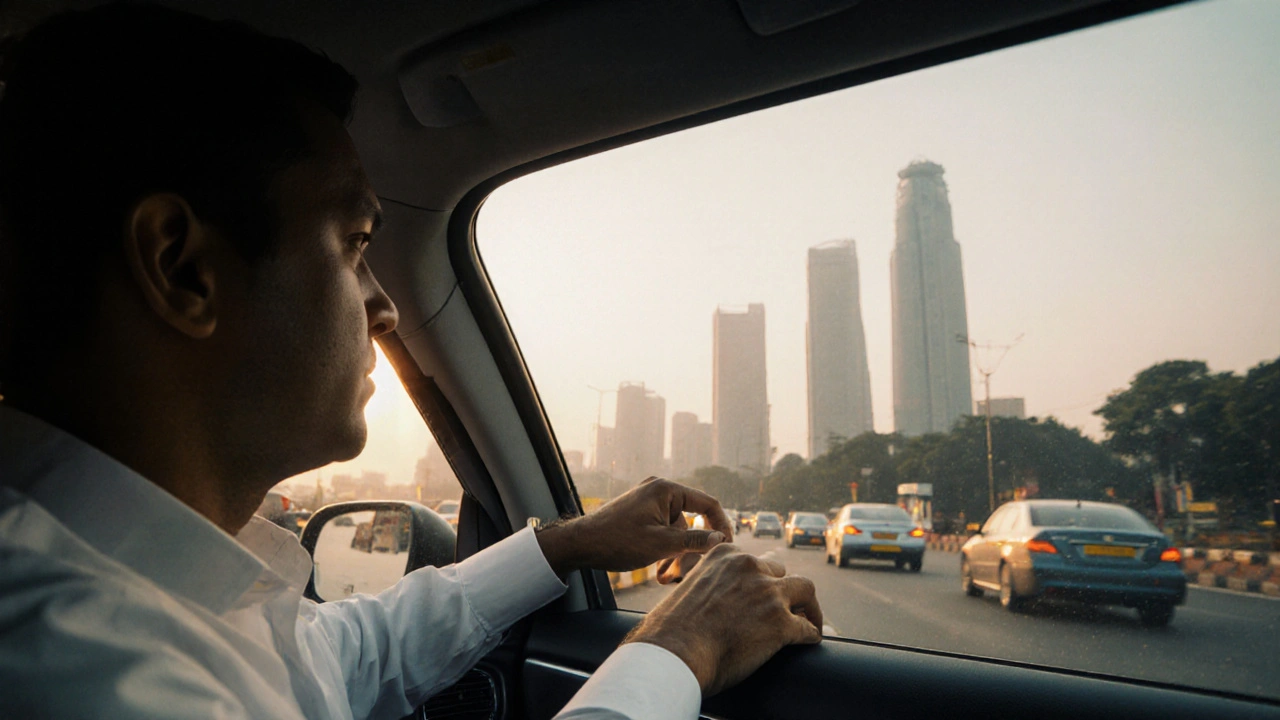
Ever wondered how much you’ll actually pay for a driver you can call on any day in Mumbai? You’re not alone - the price tag can feel like a mystery, especially when you factor in fuel, insurance, and those little extra fees that pop up after the first few kilometres.
Below is a quick snapshot of the main points you’ll need to keep in mind before you sign any agreement:
- Base daily rate typically ranges from ₹1,200 to ₹2,500.
- Fuel surcharge adds 10‑15% on top of the base.
- Overtime after 8‑hour shifts can cost an extra ₹200‑₹400 per hour.
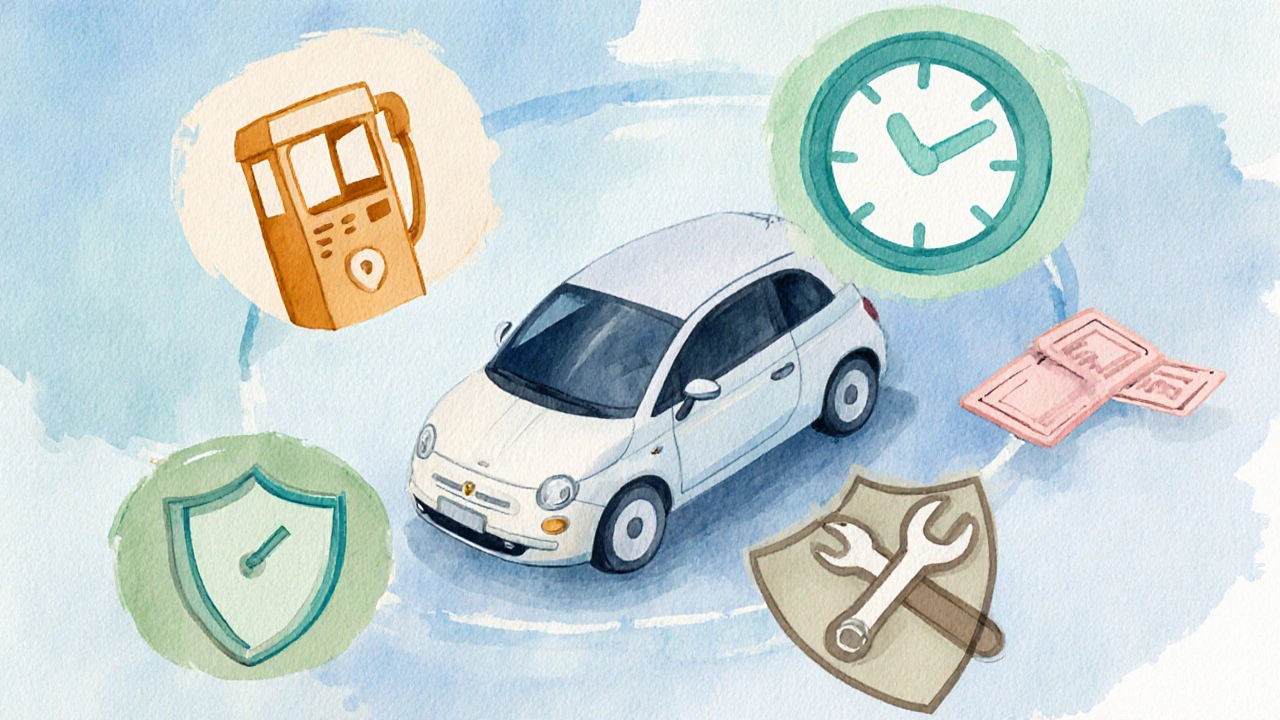
- Insurance, licensing, and vehicle maintenance are usually bundled, but can be itemised.
- Negotiating a flat‑fee package often saves 5‑10% over a per‑day breakdown.
Understanding What "Daily driver hire is a service where a driver is employed on a per‑day basis, usually for personal commuting or short‑term travel needs in Mumbai
When you book a daily driver, you’re essentially paying for three things: the driver’s time, the use of a vehicle, and the operational costs that keep the ride smooth. In Mumbai’s bustling traffic, drivers often become an extension of your personal schedule, handling everything from school runs to airport pickups.
The market is a mix of individual freelancers, small agencies, and large fleet operators. Each segment has its own pricing philosophy, but the core components remain the same. Knowing these pieces helps you compare offers without getting lost in jargon.
Breaking Down the Cost Components
Let’s demystify the numbers. Below is a table that shows the typical range for each cost element when hiring a driver in Mumbai.
| Component | Typical Range (₹) | What It Covers |
|---|---|---|
| Base Daily Rate | 1,200 - 2,500 | Driver’s salary for up to 8 hours, basic vehicle use |
| Fuel Surcharge | 10‑15% of base | Petrol or diesel consumption based on mileage |
| Overtime | 200 - 400 per hour | Hours worked beyond the standard 8‑hour shift |
| Insurance | 150 - 300 | Third‑party liability and driver’s personal accident cover |
| Licensing & Permits | 100 - 200 | Commercial driver licence, vehicle registration fees |
| Vehicle Maintenance | 200 - 350 | Routine servicing, tyre wear, minor repairs |
| Road Tax / Toll Pass | 50 - 150 | State road tax and any prepaid toll stickers |
The numbers above are averages gathered from agency quotes and freelance listings posted in October 2025. Prices can shift with fuel price volatility, seasonal demand (think monsoon traffic spikes), and the type of vehicle you request.
Real‑World Pricing Examples in Mumbai is a the bustling financial capital of India, known for its heavy traffic and high demand for personal transportation services
Here are three typical scenarios you might encounter:
- Standard Sedan, 8‑hour day: Base ₹1,500 + 12% fuel (₹180) + insurance ₹200 = ₹1,880 total.
- Luxury SUV, 10‑hour day with overtime: Base ₹2,400 + 15% fuel (₹360) + 2 hrs overtime (₹800) + insurance ₹300 = ₹3,860.
- Compact hatchback, part‑day (4 hrs): Pro‑rated base ₹750 + fuel ₹90 + insurance ₹150 = ₹990.
Notice how the overtime and vehicle class can double the bill. If you’re booking for a wedding convoy or a corporate event, agencies often throw in a flat‑rate “event package” that caps the total at a pre‑agreed amount - typically 5‑10% less than the sum of individual items.
How to Negotiate a Fair Rate
Negotiation isn’t about haggling down to pennies; it’s about aligning expectations. Start by asking for a detailed cost sheet - a transparent breakdown shows you’re serious and forces the provider to justify each line item.
Here are three negotiation tactics that work well in Mumbai:
- Bundle the days. If you need a driver for a week, ask for a weekly discount. Most agencies will shave off 10‑15% for a 5‑day block.
- Ask for a fuel‑inclusive package. Some drivers charge a per‑kilometre rate. Converting that to a flat fuel fee can protect you from spikes in petrol prices.
- Clarify insurance responsibilities. Verify whether the driver’s personal accident cover is included or if you need to add a separate policy. Bundling insurance often reduces the per‑day overhead.
Never forget to get everything in writing - a simple PDF or email confirmation saves you from surprise charges later.
Hidden Costs to Watch Out For
Even with a clear table, a few sneaky fees can appear after the contract is signed:
- Night surcharge. Some drivers charge an extra 20% for trips after 9 pm.
- Parking fees. If the driver has to park in a paid lot, that cost is often passed on.
- Cleaning charge. A “vehicle cleaning fee” may be levied if the car returns in a dirty state.
Ask the provider upfront whether these are built into the quoted price. If they’re not, you can negotiate a cap - for example, “no more than ₹500 for parking per day.”

Tips to Save Money Without Sacrificing Comfort
Saving a few hundred rupees each month adds up, especially if you rely on a daily driver for years. Here are practical ways to keep costs low:
- Choose a fuel‑efficient vehicle. A hatchback averages 18‑20 km/L in city traffic, compared to 12‑14 km/L for larger SUVs.
- Plan routes in advance. Avoiding peak‑hour bottlenecks reduces both fuel use and overtime.
- Share the driver. If you live with a roommate or have a tight‑knit family, splitting the daily rate can cut each person’s share by 40‑50%.
- Opt for a fixed‑rate contract. Some fleet operators offer a “monthly subscription” that includes unlimited days up to a set number of hours.
These tricks work best when you treat the driver as a partner rather than a one‑off service. A good rapport often leads to better rates and more reliable service.
Frequently Asked Questions
What is the minimum commitment period for a daily driver in Mumbai?
Most agencies allow a single‑day hire with no long‑term contract. However, they often give a 5‑10% discount if you book at least three consecutive days.
Is fuel cost always a separate charge?
Not always. Some drivers include fuel in a flat daily rate, especially for short trips. Others prefer a per‑kilometre surcharge, which can be cheaper if you drive less than 100 km a day.
Do I need to provide my own vehicle?
Usually no. The driver’s fee includes the use of a vehicle that meets the agreed‑upon class (sedan, SUV, etc.). If you bring your own car, you’ll only pay the driver’s salary and possibly a small mileage fee.
How is overtime calculated?
Overtime kicks in after the standard 8‑hour shift. The rate ranges from ₹200 to ₹400 per extra hour, depending on the driver’s experience and the vehicle type.
What insurance coverage is typical?
A basic package includes third‑party liability (required by law) and personal accident cover for the driver, costing between ₹150 and ₹300 per day. You can upgrade to comprehensive coverage for an additional fee.
Can I get a driver for just a few hours?
Yes. Many services offer half‑day (4‑hour) rates, usually half the daily base plus proportional fuel and insurance. Expect a minimum charge of around ₹750 for a compact car.
Do drivers handle vehicle maintenance?
Routine maintenance (oil changes, tyre rotations) is typically covered in the daily fee. Major repairs are the responsibility of the hiring agency unless otherwise agreed.
Now you’ve got a clear picture of what to expect when you hire a daily driver in Mumbai. With the right research and a bit of negotiation, you can secure reliable transport without blowing your budget.
Alan Crierie
October 21, 2025 AT 09:50👍 Always ask for a detailed fuel surcharge breakdown before signing; it saves surprises later.
Nicholas Zeitler
October 28, 2025 AT 07:30When you’re comparing offers, make sure to request a full cost sheet, including fuel, overtime, insurance, and any hidden fees, because transparency prevents misunderstandings, and it also gives you leverage during negotiation!
Teja kumar Baliga
November 4, 2025 AT 06:10Bundling a week of days usually trims the daily rate by 10‑15 %. It’s a quick win if you know you’ll need the driver consistently.
k arnold
November 5, 2025 AT 09:57Oh great, another ‘budget hack’ that ends up costing you more in the long run.
Tiffany Ho
November 11, 2025 AT 04:50You can also ask if the driver includes a fuel‑inclusive package, that can smooth out price spikes. Simple ask can keep the budget steady.
michael Melanson
November 12, 2025 AT 08:37That's a solid tip; a clear ask avoids hidden fees and keeps things transparent.
lucia burton
November 19, 2025 AT 07:17The transportation market in Mumbai has evolved into a sophisticated ecosystem where cost drivers intersect with regulatory nuances.
Understanding each line item on the invoice is akin to reading a financial statement for a small enterprise.
First, the base daily rate serves as the foundation, but it is rarely a static figure; it fluctuates based on vehicle class, driver seniority, and peak demand windows.
Second, the fuel surcharge, typically expressed as a percentage, is directly correlated with global crude price movements, which means it can swing dramatically month over month.
Third, overtime charges are not merely a flat hourly markup; they often embed premiums for night shifts, traffic congestion, and driver fatigue allowances.
Fourth, insurance costs, while appearing modest, encompass both third‑party liability mandated by law and optional personal accident cover, each with its own actuarial calculations.
Fifth, licensing and permit fees are administrative overheads that ensure compliance with the Motor Vehicles Act and local transport authority guidelines.
Sixth, vehicle maintenance expenses cover routine servicing, tyre rotation, and unexpected minor repairs, and some operators amortize these costs over a fleet to achieve economies of scale.
Seventh, road tax and toll pass fees, though small in absolute terms, accumulate when the driver frequently traverses toll plazas on high‑speed corridors.
Eighth, hidden costs like night surcharges, parking fees, and cleaning charges can be negotiated out of the contract if they are clearly itemised.
Ninth, a bundled flat‑fee package often delivers a 5‑10 % discount by smoothing out variable components into a predictable cash flow.
Tenth, the strategic use of route optimisation software can shave off both fuel consumption and overtime, thereby reducing the overall cost burden.
Eleventh, establishing a long‑term relationship with a reputable agency can unlock loyalty discounts and priority booking during peak periods.
Twelfth, transparency in the cost breakdown not only protects the consumer but also fosters a professional partnership with the driver.
By monitoring daily spend against a predefined budget threshold, you can quickly identify outliers and address them with the service provider.
Finally, leveraging these insights empowers you to negotiate from an informed position, ensuring that you receive reliable service without compromising your financial goals.
Denise Young
November 20, 2025 AT 11:03Reading that deep‑dive feels like parsing a cloud‑computing cost model for a five‑star hotel, but the essence is simple: treat the driver as a service‑level agreement (SLA)‑bound provider.
Negotiate a guaranteed availability window, define a maximum response latency, and embed a penalty clause for breach-much like you would with a data‑center contract.
Remember, the marginal cost of a night surcharge is analogous to a surge pricing multiplier in ride‑hailing platforms, so factor it into your total cost of ownership.
If you ignore these variables, you’ll end up with a budgeting nightmare that looks like a spreadsheet of endless line items, each demanding its own justification.
Bottom line: a disciplined, contract‑first approach transforms what could be an ad‑hoc arrangement into a predictable expense stream.
Sam Rittenhouse
November 21, 2025 AT 14:50Imagine a monsoon‑deluge turning the city into an ocean-without a clear contract, you’re left clinging to a rickety lifeboat while the driver disappears into traffic’s abyss.
That’s why a watertight SLA isn’t just a formality; it’s the lighthouse guiding you through Mumbai’s relentless congestion.
When every minute feels like a lifetime, a well‑crafted agreement becomes your lifeline.
Peter Reynolds
November 28, 2025 AT 13:30Just keep an eye on the total daily cost and compare a few providers before deciding.
Fred Edwords
November 29, 2025 AT 17:17Indeed, a side‑by‑side cost matrix, inclusive of fuel surcharge, overtime, insurance, and ancillary fees, provides a quantitative foundation for informed decision‑making!
Sarah McWhirter
December 6, 2025 AT 15:57Ever wonder why the driver’s hourly rate spikes exactly when a new toll plaza opens? It’s almost as if the city planners are in cahoots with the fleet operators to keep us paying extra-just kidding, but keep an eye on those hidden fees.
Paritosh Bhagat
December 7, 2025 AT 19:43While the sentiment is entertaining, the correct idiom is “in cahoots with,” not “in cahoots to.” Additionally, “keep an eye on” should be followed by “those hidden fees,” not “that hidden fee.”