
Home Loan Refinancing in India: Save Money, Lower Rates, and Reset Your Term
When you home loan refinancing, the process of switching your existing mortgage to a new lender with better terms. It's not just about getting a lower interest rate—it’s about reshaping your entire financial plan for your home. Many people in India stick with their first home loan for years, even when rates drop or their credit improves, simply because they don’t know refinancing is an option. But if you’ve been paying your EMI for 2-3 years, you could be leaving thousands of rupees on the table.
Home loan interest rates in India, the percentage charged by banks and NBFCs on your outstanding principal have swung widely since 2022. What was a 8.5% rate two years ago might now be 8.1% or even lower. Refinancing lets you lock in those lower rates, and even a 0.5% drop on a ₹50 lakh loan can save you over ₹3 lakh over the loan term. It’s not magic—it’s math. And that math works best if you’re still in the early years of your loan, when most of your EMI goes toward interest, not principal.
Home loan principal repayment, the portion of your EMI that actually reduces your loan balance matters because refinancing resets it. If you’ve already paid ₹10 lakh toward principal, switching lenders means you’re starting fresh—but now with a lower rate. You can also choose to extend your loan term to lower your monthly EMI, or keep the same term and pay off the loan faster. Both are valid moves, depending on your cash flow and goals.
And here’s something many forget: Section 80C, the tax deduction rule that lets you claim up to ₹1.5 lakh on home loan principal repayment still applies after refinancing. As long as you’re repaying principal on a new loan for the same property, you can keep claiming this deduction. Just make sure your new lender issues a proper interest and principal certificate. No paperwork, no claim.
But refinancing isn’t free. There are processing fees, legal charges, and sometimes prepayment penalties on your old loan. If your current lender charges 1% prepayment fee and your new one charges ₹15,000 in processing, you need to calculate your break-even point. How many months will it take for your lower EMI to cover those costs? Most people break even in 12-18 months. If you plan to stay in the house longer than that, it’s worth it.
Some people refinance just to switch from floating to fixed rates—or vice versa. Others do it to consolidate debt, like adding a personal loan into the home loan for a lower overall rate. And some use it to access equity—borrowing more than what’s left on the original loan to fund renovations or education. All of these are valid reasons, as long as you’re clear on your goal.
You’ll find posts here that break down exactly how to compare lenders, what documents you need, how to negotiate fees, and how the new loan’s interest rate ties into your tax savings under Section 80C. You’ll also see real examples of people who saved ₹20,000 a year just by switching banks. No fluff. No jargon. Just what works in India right now.
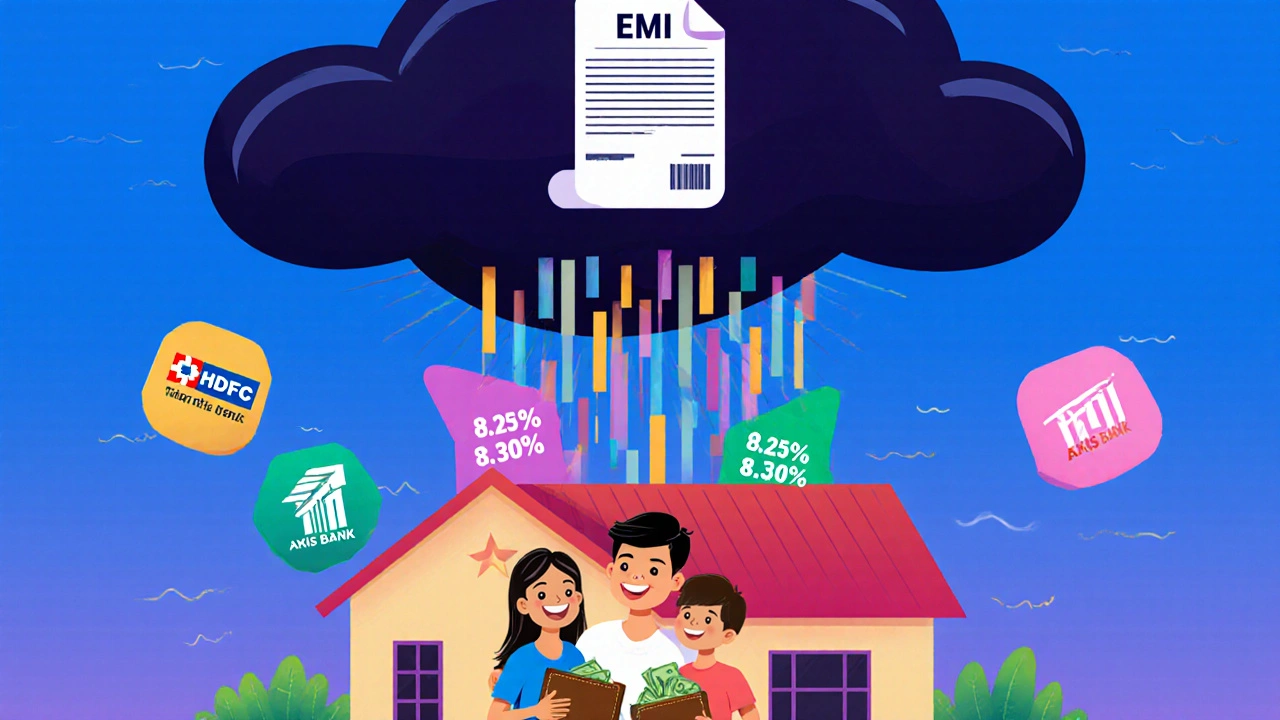
How to Use a Home Loan Balance Transfer in India to Reduce EMI
Learn how to lower your home loan EMI in India by switching lenders through a balance transfer. Save lakhs in interest and reduce monthly payments with smart refinancing.
Categories
- Cryptocurrency
- Careers & Education
- Home & Living
- Technology
- Home & Lifestyle
- hire domestic help in Mumbai
- hire drivers in mumbai
- Personal Finance
- hire pet care in mumbai
- Travel & Transportation