
Blockchain Gaming: How to Play and Earn Cryptocurrency in 2026
 Oct, 12 2026
Remember when people quit their day jobs to farm tokens in Axie Infinity? It felt like the future had arrived. Fast forward to October 2026, and that hype has cooled into something more realistic-and arguably more interesting. Blockchain gaming isn't about getting rich quick anymore; it's about true ownership of your digital assets and optional financial rewards layered on top of actual fun.
If you're wondering whether you can still make money playing video games, the answer is yes, but with big caveats. The "play-to-earn" model has evolved into "play-and-earn." This shift matters. It means developers are prioritizing gameplay quality first, treating crypto rewards as a bonus rather than the main event. You won't find many games where grinding for hours guarantees rent money. Instead, you'll find ecosystems where skilled players or smart investors can extract value from tradable NFTs and tokens. Let's break down how this works, what the risks are, and which games actually hold up today.
The Shift from Play-to-Earn to Play-and-Earn
The original wave of blockchain games, dominated by titles like Axie Infinity during the pandemic, promised sustainable income. Players in developing nations earned significant portions of their monthly wages through daily quests. But those economies relied heavily on new player inflows to keep token prices high. When growth stalled, so did earnings. Today, the industry acknowledges that entertainment must come first. If a game isn't fun without the promise of cash, it fails long-term retention tests.
This doesn't mean earning is dead. It just means the mechanics have matured. Modern games use free-to-play models with optional NFT purchases. You don't need to buy an expensive starter pack to try the game. Rewards are often smaller but more stable, tied to skill or rare item drops rather than infinite token emission. Think of it less like a job and more like a side hustle with variable paychecks.
How the Technology Actually Works
At its core, blockchain gaming uses distributed ledgers to record who owns what. Unlike traditional games where your sword lives on a company server, a blockchain sword is an NFT (Non-Fungible Token) stored on-chain. This gives you verifiable proof of ownership. You can sell it, trade it, or sometimes move it between compatible games.
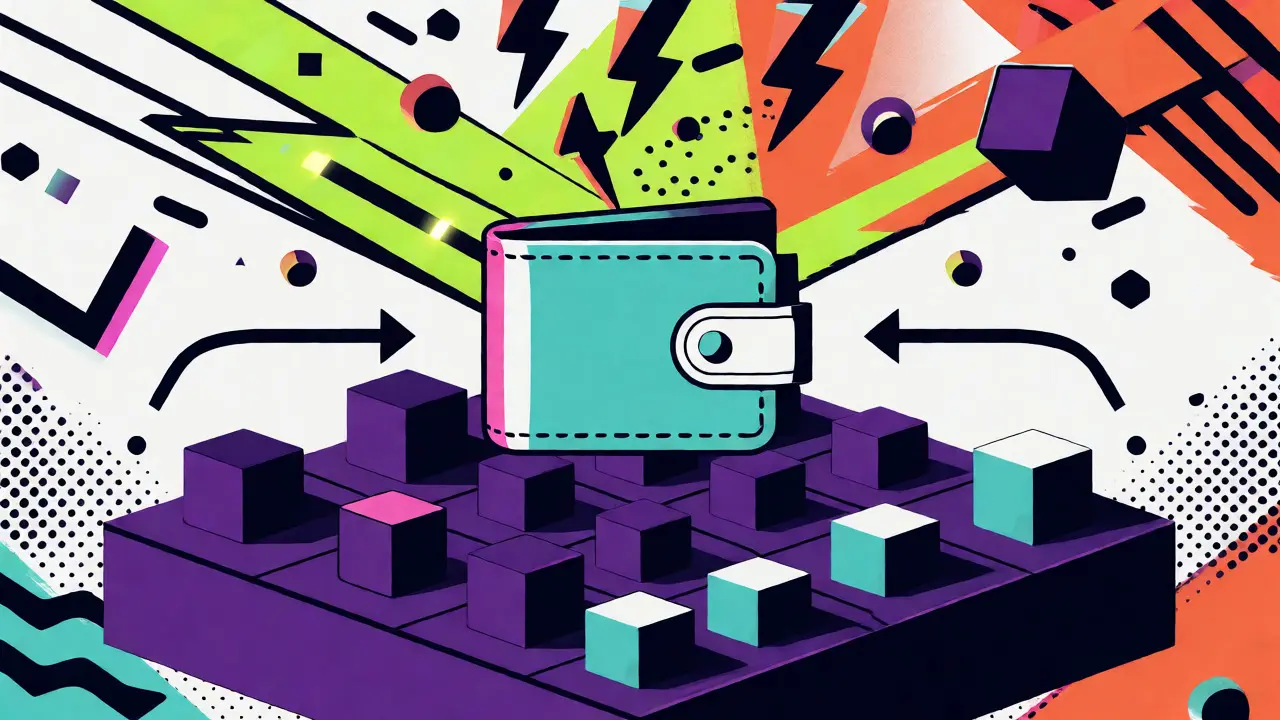
Most games run on two layers. An off-chain server handles fast actions like movement and combat to keep lag low. An on-chain layer handles asset transfers, minting, and marketplace transactions. You interact with this via a digital wallet, such as MetaMask or a game-specific embedded wallet. Smart contracts-self-executing code on the blockchain-manage the rules. They ensure that if you win a tournament, the prize token is sent to your address automatically. No middleman needed.
However, this tech introduces friction. You need to understand gas fees (transaction costs), network selection, and private key security. A lost seed phrase means lost assets. There is no customer support to reset your password.
Leading Games and Their Economies
Not all blockchain games are created equal. Some focus on competitive strategy, others on creation, and some on social interaction. Here’s a look at the heavy hitters still active in late 2026:
| Game Title | Primary Chain | Earning Mechanism | Entry Cost |
|---|---|---|---|
| Axie Infinity | Ronin | Battle rewards (SLP/AXS), breeding, scholarships | Free entry available; NFTs optional |
| The Sandbox | Ethereum/Polygon | Land rental, content creation, SAND token rewards | High (LAND parcels) to Low (free experiences) |
| Gods Unchained | Immutable zkEVM | Card crafting, trading, $GODS staking | Free-to-play |
| Lumiterra | Polygon/Ronin | Open-world survival, loot trading, quest rewards | Free-to-play |
Axie Infinity remains a cornerstone. While its peak user numbers have stabilized, its ecosystem on the Ronin chain supports multiple games. Earnings now depend more on skill in ranked battles and strategic asset management than simple grinding.
The Sandbox appeals to creators. If you enjoy designing maps or building experiences, you can monetize your work. Owning virtual LAND allows you to host games or events, generating revenue from visitors. It’s less about farming tokens and more about running a digital business.
Gods Unchained offers a classic card-battler experience similar to Hearthstone. Its differentiator is that every card is an NFT you truly own. You can craft cards using $GODS tokens, stake them for rewards, or sell duplicates on the open market. The recent migration to Immutable zkEVM improved transaction speeds and reduced costs significantly.
The Real Economics: Can You Still Make Money?
Let’s talk numbers. In 2025, DappRadar reported over 4.9 million daily unique active wallets interacting with gaming dApps. That’s substantial activity. But does it translate to profit? For most players, no. Academic analysis of Axie transactions showed that nearly 70% of users engaged only at a basic level. Many joined for the hype, not the grind.
To calculate real profit, you must subtract all costs from your gross earnings. These include initial NFT purchases, marketplace fees (often 2-5%), gas fees, bridge costs, taxes, and the opportunity cost of your time. If a token price drops 50% while you’re holding it, your "earnings" vanish. Volatility is the silent killer of P2E profits.
Successful earners usually fall into three categories:
- The Skilled Competitor: Wins tournaments or ranks high in leaderboards where prizes are fixed and valuable.
- The Trader: Buys undervalued NFTs early and sells them after updates or meta shifts.
- The Creator: Generates content, builds worlds, or provides services (like coaching) within the game economy.
Passive grinding rarely yields consistent income anymore. The era of easy money is over. Treat any crypto reward as speculative bonus income, never as a salary replacement.
Risks and Pitfalls to Avoid
Blockchain gaming carries unique risks that traditional gamers don’t face. The biggest historical example is the Ronin Bridge Hack in 2022. Attackers stole approximately $625 million worth of ETH and USDC by compromising validator keys. While Sky Mavis reimbursed most funds, the incident highlighted that even secure-looking bridges can fail.
Other common pitfalls include:
- Phishing Scams: Fake websites mimicking official game portals ask you to connect your wallet and sign malicious transactions.
- Rug Pulls: Developers abandon a project after selling their tokens, leaving players with worthless assets.
- Regulatory Uncertainty: Tax laws vary by country. In the UK, HMRC treats crypto gains as taxable events. Keeping accurate records is essential.
- Custody Risks: If you leave assets on a centralized exchange or game platform, you don’t control the private keys. If the platform goes bankrupt, your assets might be frozen.
Always verify contract addresses through official channels. Use hardware wallets for large holdings. Revoke unnecessary approvals regularly to prevent drained funds.
Getting Started: A Practical Guide
If you want to dip your toes in, follow these steps to minimize risk:
- Choose a Free-to-Play Game: Start with Gods Unchained or Lumiterra. You don’t need to spend money to understand the mechanics.
- Set Up a Wallet: Install MetaMask or Rabby. Write your seed phrase on paper. Never store it digitally.
- Fund Your Wallet: Buy a small amount of the native token (e.g., MATIC, RON, or ETH) to cover gas fees. Don’t buy expensive NFTs yet.
- Learn the Interface: Understand how to claim rewards, view your inventory, and access the marketplace.
- Test Withdrawals: Before investing serious money, withdraw a small amount to ensure you understand the process and fees.
Keep your expectations grounded. You are there to play a game. If you earn a few dollars, great. If you lose a little, consider it entertainment expense.
The Future: Invisible Blockchain and Interoperability
The next phase of blockchain gaming focuses on hiding the tech. Players shouldn’t need to know what a block explorer is. Account abstraction and social login wallets are making onboarding seamless. Gasless transactions sponsored by publishers remove friction entirely.
Interoperability is another frontier. Projects like Immutable zkEVM aim to let assets move between different games. Imagine using your sword from one RPG in another. This utility increases asset value beyond speculation. However, widespread adoption requires standardization, which is still years away.
For now, the sector is consolidating. Weak projects die out; strong ones build communities. Look for games with transparent treasuries, audited smart contracts, and active developer teams. Those signals matter more than flashy marketing videos.
Is blockchain gaming profitable in 2026?
Profitability varies widely. Most casual players break even or lose money due to volatility and fees. Profitable players are typically highly skilled competitors, savvy traders, or content creators who treat the game as a secondary income stream rather than a primary job.
Do I need to buy NFTs to start playing?
No. Many modern blockchain games, such as Gods Unchained and Lumiterra, offer free-to-play modes. You can earn basic rewards and learn the mechanics before deciding to purchase premium assets.
What happens if a blockchain game shuts down?
Your NFTs remain on the blockchain, meaning you still technically own them. However, their value may drop to zero if no other game or marketplace accepts them. Always check if assets have cross-game utility before investing.
Are crypto winnings taxed in the UK?
Yes. HMRC generally treats crypto assets as property. Gains from selling NFTs or tokens may be subject to Capital Gains Tax. Income from staking or frequent trading could be classified differently. Consult a tax professional for specific advice.
Which blockchain is best for gaming right now?
Ronin and Immutable zkEVM are currently leading for gaming-specific infrastructure due to low fees and high throughput. Polygon and Base are also popular for their broader ecosystem support. Choose based on which games you want to play.