
Building Retirement Income Buckets in India: Short-Term, Medium-Term, Long-Term
 Mar, 29 2026
Imagine you retire in 2035. Your last salary slip lands in your email on March 25th. The next day, your ATM still works, but does your savings account hold enough to cover your lifestyle for the next thirty years? Most people think about saving money until they retire. They rarely plan how to spend it once the paycheck stops. That is where the concept of Retirement Income Buckets, also known as Bucket Strategy, comes into play. It divides your assets based on when you actually need to use them. This isn't just about putting money away; it is about organizing your wealth so you never have to sell investments during a market crash to pay the grocery bill.
In the Indian context, this approach is crucial. We face rising inflation, changing healthcare costs, and a shifting regulatory landscape for investments like the National Pension System (NPS)a government-backed pension scheme available to all Indians.. By segregating your funds into three distinct timeframes-short, medium, and long-you protect your corpus from what investors call "sequence of returns risk." Simply put, if the market crashes right after you start withdrawing, you might lose more than you can recover. Buckets solve this problem by insulating your daily needs from market volatility.
The Three Time Horizons
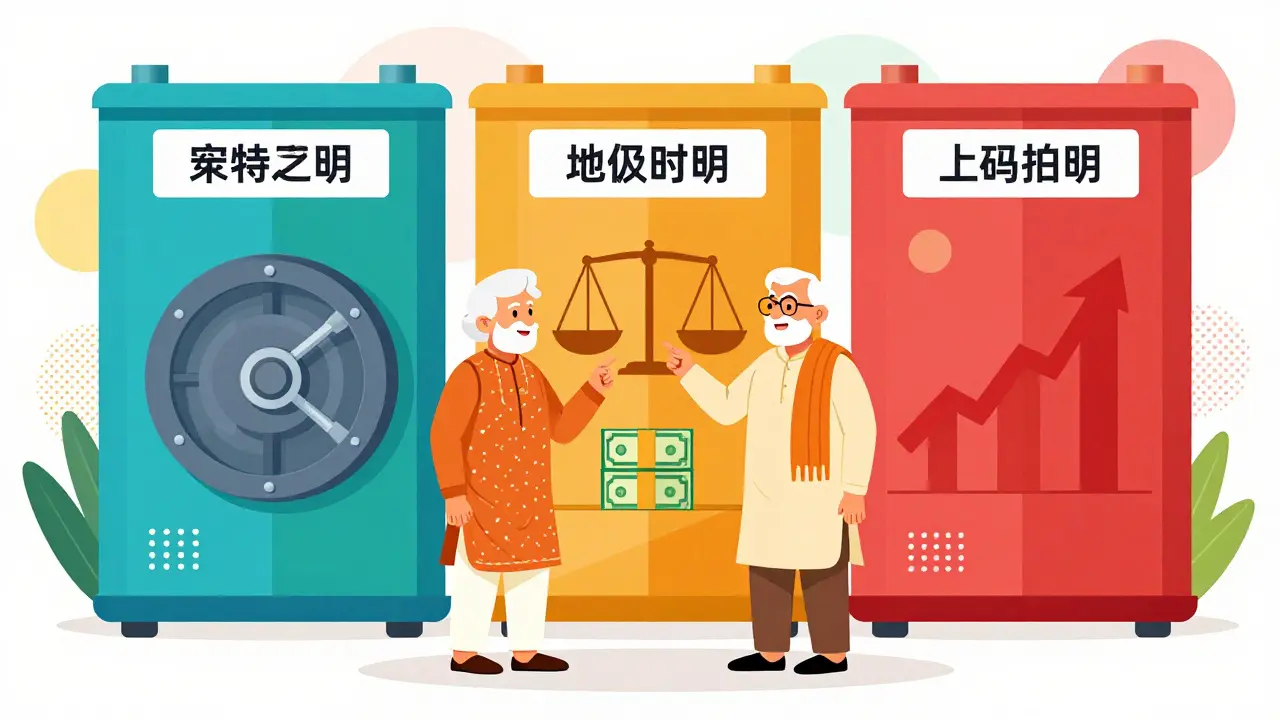
To build a robust safety net, we split your portfolio into three zones based on liquidity and risk tolerance. Let’s break them down by what they do for you.
Short-Term Bucket: The Safety Net
This is your cash cushion. It covers your living expenses for the first two to three years of retirement. Since you don't know exactly what the stock market will do tomorrow, you shouldn't rely on it for bills due next month. You want zero volatility here.
For this bucket, focus on stability and immediate access. Good vehicles for this include high-interest Fixed Deposits or liquid funds. If you place ₹5 lakhs here, it stays there regardless of whether the Sensex drops 10% overnight. You withdraw from this pile for your monthly EMI, medical premiums, and household costs. Once you take out money, you replenish it later from your other buckets.
- Fixed Deposits: Guaranteed interest, tax benefits depending on bank rates.
- Liquid Mutual Funds: High liquidity, low expense ratios.
- Amita Bank Savings Accounts: Easy accessibility for emergencies.
Medium-Term Bucket: The Replenishment Zone
This bucket handles expenses for years 3 through 10 of your retirement. This period often coincides with your children finishing college or major home renovations. While you don't need these funds immediately, you do need them to be relatively stable so they can refill your short-term bucket when it runs low.
We typically invest here in hybrid funds or debt-oriented schemes. These offer slightly better returns than pure cash equivalents but carry less risk than full-blown equity. It acts as a bridge between your safe cash and your aggressive growth investments.
Long-Term Bucket: The Growth Engine
This is the heavy lifter. It covers everything from year 11 onwards. At this stage, you expect to live longer, meaning inflation will eat away purchasing power significantly. To fight inflation, you need equity exposure.
In India, tools like Equity Linked Savings Scheme (ELSS)tax-saving mutual fund category under Section 80C and broad-based index funds work wonders here. Even after you retire, a portion of this money should stay invested because you won't know when you might need to top up. The goal is capital appreciation that outpaces the cost of living, which has historically hovered around 5-6% annually in India.
| Bucket | Timeframe | Risk Profile | Primary Instruments (India) |
|---|---|---|---|
| Short-Term | 0 - 3 Years | Very Low | Bank FDs, Liquid Funds, T-Bills |
| Medium-Term | 3 - 10 Years | Low to Moderate | Gilt Funds, Corporate Bond Funds, PPF |
| Long-Term | 10+ Years | High | EQ Stocks, ELSS, NPS (EQUITY COMPONENT) |
Tax Efficiency in the Indian Framework
Taxes can silently destroy your retirement corpus. For example, if your fixed deposit earns 7% but you fall in the 30% tax bracket, your real return plummets. When structuring buckets, consider post-tax yields.
The Public Provident Fund (PPF) remains a tax-free haven for long durations. However, its liquidity constraints make it suitable primarily for the long-term bucket unless you are nearing maturity. Similarly, utilizing the NPS provides an additional deduction of up to ₹50,000 under section 80CCD(1B). This allows you to boost your pre-retirement savings while locking in a lower effective tax rate.
A common mistake retirees make is selling equity funds before the 12-month mark, triggering higher taxes on gains. By aligning the withdrawal schedule with the holding period, you can minimize capital gains tax liabilities. Plan your withdrawals so that you sell units held for over a year to qualify for long-term capital gains treatment.

Rebalancing Strategies
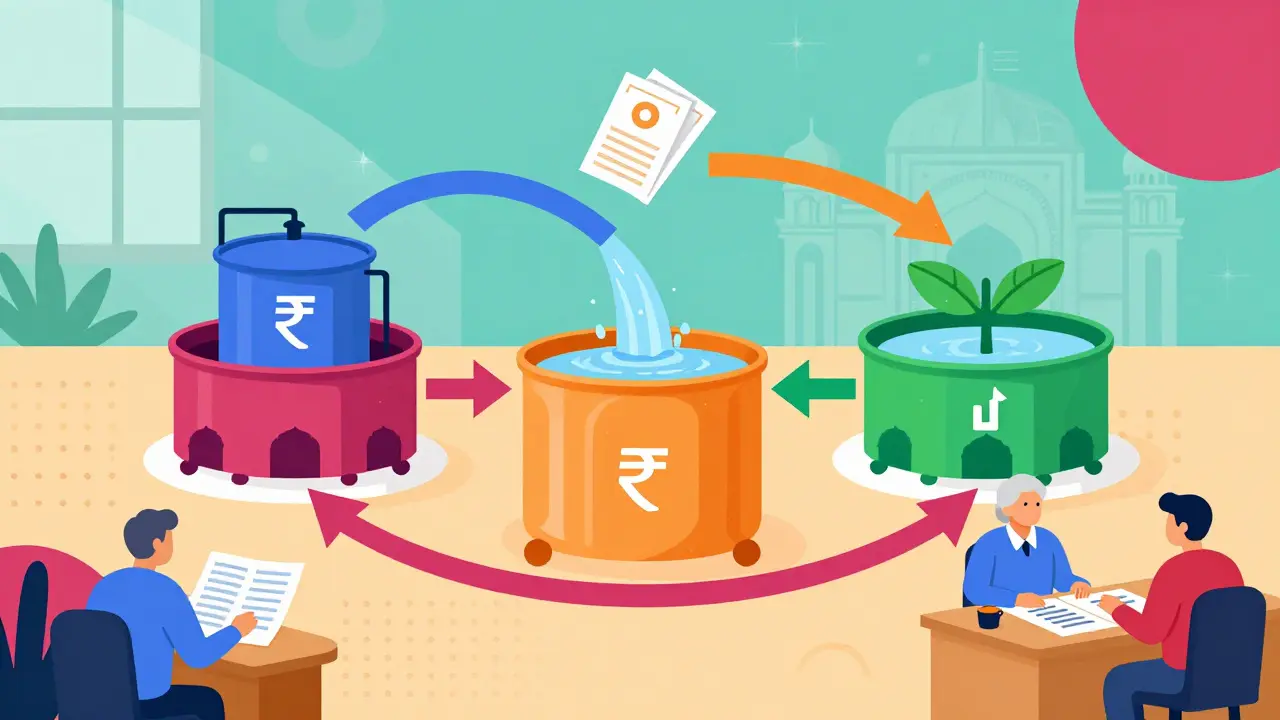
Markets move. A bad year for equities means your long-term bucket shrinks. Conversely, a bull run inflates it. If your long-term bucket grows too large, shift surplus profits to your short-term bucket. This locks in gains and ensures you have enough cash for daily life without touching risky assets during a downturn.
Think of it as harvesting. Every year, review the performance. If your growth assets exceed their allocation target, harvest those gains to refill the empty cash bucket. If markets have crashed, do the opposite: sell some of your safer cash holdings to buy discounted growth assets at lower prices. This counter-cyclical approach reduces emotional stress during market slumps.
Managing Inflation and Healthcare Costs
You cannot ignore inflation. A ₹10,000 meal today could cost ₹18,000 twenty years from now assuming 3% inflation. But medical inflation in India is historically higher, often reaching 10-12% annually.
Ensure your short-term bucket accounts for immediate medical shocks, but rely on health insurance for catastrophic events. Do not deplete your long-term investment capital for surgery costs. Instead, keep a dedicated emergency fund separate from your primary retirement buckets. This prevents dipping into retirement assets prematurely, which forces you to sell stocks at unfavorable times.
Common Pitfalls to Avoid
Relying entirely on annuities is one trap. While annuities guarantee income, the payout often falls behind inflation over 15 years. Using a mix of instruments gives you flexibility.
Another danger is leaving too much in the short-term bucket. If you park 50% of your wealth in liquid cash, inflation will surely reduce your purchasing power over time. Keep the safety net tight-only enough for 2-3 years of expenses-and let the rest compound in the growth zone.
When should I start building retirement buckets?
Ideally, you should begin setting these buckets five to ten years before retirement. Starting earlier allows your long-term equity bucket sufficient time to compound. However, even starting five years prior helps establish a mental framework for segregation.
What is the ideal asset allocation percentage for each bucket?
A common rule of thumb for a balanced retirement plan is: Short-term (Cash) 20%, Medium-term (Debt/Bonds) 40%, Long-term (Equity/Growth) 40%. Adjust these ratios based on your health risks and life expectancy.
How does NPS fit into the bucket strategy?
NPS is best placed in the Long-Term Bucket due to its mandatory equity component and long lock-in period until age 60. However, upon exit, a portion is taxable, so factor that into your cash flow calculations.
Can I use Real Estate in my retirement buckets?
Yes, but Real Estate sits awkwardly. It is illiquid compared to stocks or bonds. Consider rental yield as income from the long-term bucket, but avoid using house value as your primary source of daily consumption money due to lack of liquidity.
What happens during a severe market crash after retirement?
You survive using the Short-Term Bucket. Because you have 2-3 years of cash set aside, you don't need to sell depressed equities from the Long-Term Bucket. Over time, the Long-Term bucket recovers while you continue drawing from safe cash reserves.