
Dynamic NFTs: A Guide to Upgradable and Programmable Digital Assets
 Apr, 21 2026
Imagine owning a digital trading card of a rookie athlete. In the old world of static tokens, that card stays the same forever, regardless of whether the player becomes a Hall of Famer or gets injured in the first game. Now, imagine that card automatically updating its stats, changing its artwork to a gold border, and increasing its rarity level every time the athlete hits a home run in real life. That is the power of Dynamic NFTs is a type of non-fungible token with encoded smart contract logic that allows its metadata to change based on external conditions or inputs. Also known as dNFTs, these assets move away from the "mint and forget" model to become living digital entities.
Quick Summary: Why dNFTs Matter
- Evolving Metadata: Unlike static NFTs, dNFTs can change their traits, images, and properties.
- External Triggers: They react to real-world data via oracles, time-based schedules, or user actions.
- New Utility: They enable true character leveling in games, responsive real estate, and live sports memorabilia.
- Standardization: New standards like ERC-7496 are making these dynamic traits interoperable across platforms.
How Dynamic NFTs Actually Work
To understand why a Dynamic NFTs is different from a regular JPEG on the blockchain, you have to look at the metadata. A standard NFT points to a static JSON file on a server or IPFS. Once that link is set, it usually never changes. A dNFT, however, uses a smart contract that can essentially "rewrite" that pointer or update the data within the file.
The process typically follows a specific chain of events. First, an Oracle (a service that feeds real-world data to the blockchain) detects a change-perhaps a weather update or a sports score. This data is sent to the Smart Contract governing the NFT. The contract checks if the predefined conditions are met. If they are, the contract triggers a metadata update. The next time you view the NFT in your wallet, you see the new trait or image.
For those who want a bit more randomness-like opening a loot box-developers often use Chainlink VRF. This ensures that the "random" trait assigned to a dynamic NFT is actually verifiable and hasn't been manipulated by the creator, which is crucial for maintaining the economic value of rare traits.
The Tech Stack: ERC-721 vs. ERC-1155 and ERC-7496
Most people are familiar with ERC-721, the gold standard for unique collectibles. While you can build dNFTs on top of it by adding custom logic, it wasn't originally designed for constant changes. For projects that need more scalability-like a game with thousands of evolving items- ERC-1155 is often preferred because it allows for batch transfers and multiple copies of the same token ID.
The real game-changer is the ERC-7496 standard. Instead of just changing a link to an external image, this standard defines how to handle dynamic traits directly on-chain. This means other contracts can "read" the current state of an NFT's trait and react to it. For example, a virtual door in a metaverse might only open if your NFT possesses a specific "Key" trait that was unlocked after you completed a quest.
| Feature | Static NFTs | Dynamic NFTs (dNFTs) |
|---|---|---|
| Metadata | Fixed after minting | Updatable and programmable |
| External Data | No interaction | Reacts via Oracles |
| User Experience | Passive ownership | Interactive evolution |
| Typical Use Case | Digital Art, PFP | Gaming, Real Estate, Sports |
Real-World Use Cases: From Gaming to Real Estate
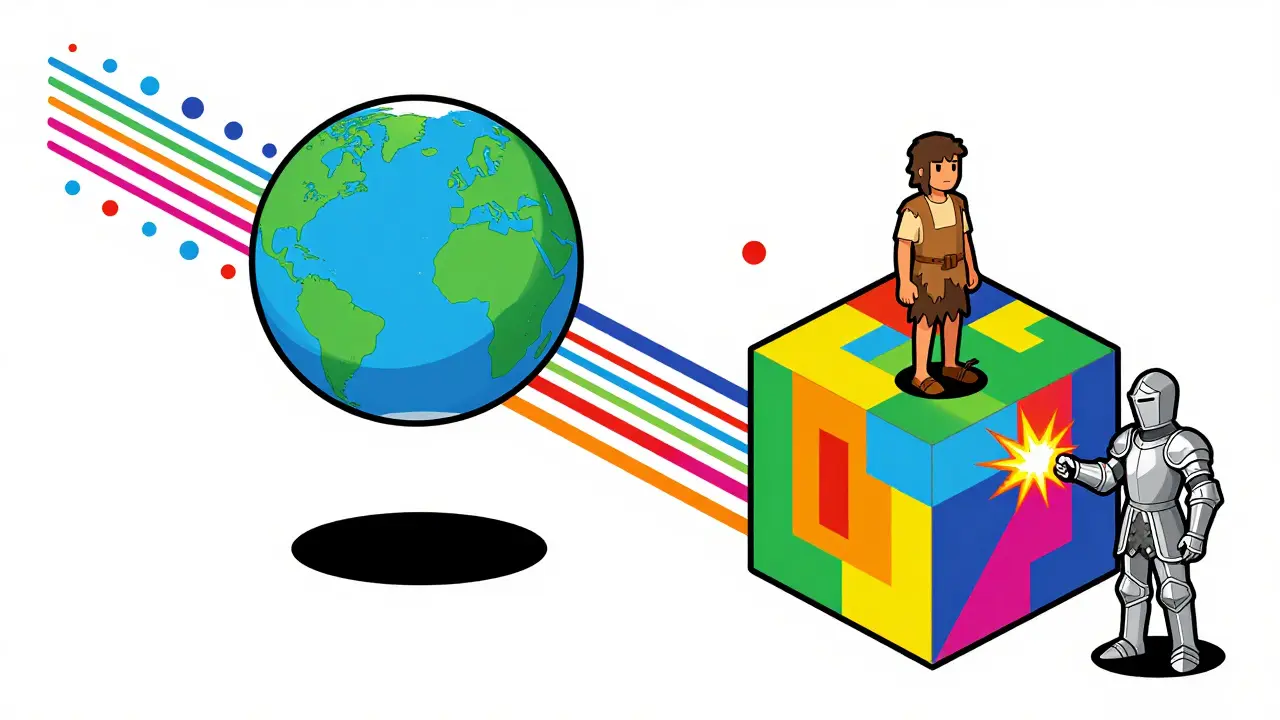
The most obvious win for dNFTs is in gaming. Think about an RPG where your character starts as a peasant. In a static system, if you level up to a Paladin, the dev would have to burn your old NFT and mint a new one. With dNFTs, your character token simply evolves. Its strength stat increases, and its visual appearance changes from rags to plate armor, all while maintaining the same token ID and ownership history.
Beyond the screen, we're seeing dNFTs enter the world of high-finance and property. A real estate NFT could be programmed to update its valuation metadata based on a trusted API from a property appraisal service. If the neighborhood improves or the property is renovated, the NFT reflects the new value in real-time, making it a much more accurate representation of the asset.
Sports memorabilia is another huge frontier. Imagine a digital card of a basketball player that tracks their points per game. As the season progresses, the card's traits update. If the player wins the MVP award, the card could automatically unlock a "Legendary" status, instantly increasing its market value without the owner having to do a thing.
Programmable Traits and the "Hidden" Element
One of the coolest parts of this technology is the concept of programmable traits. This is where the owner can actually decide which contract call the NFT makes. Essentially, the NFT becomes a piece of executable code rather than just a digital receipt.
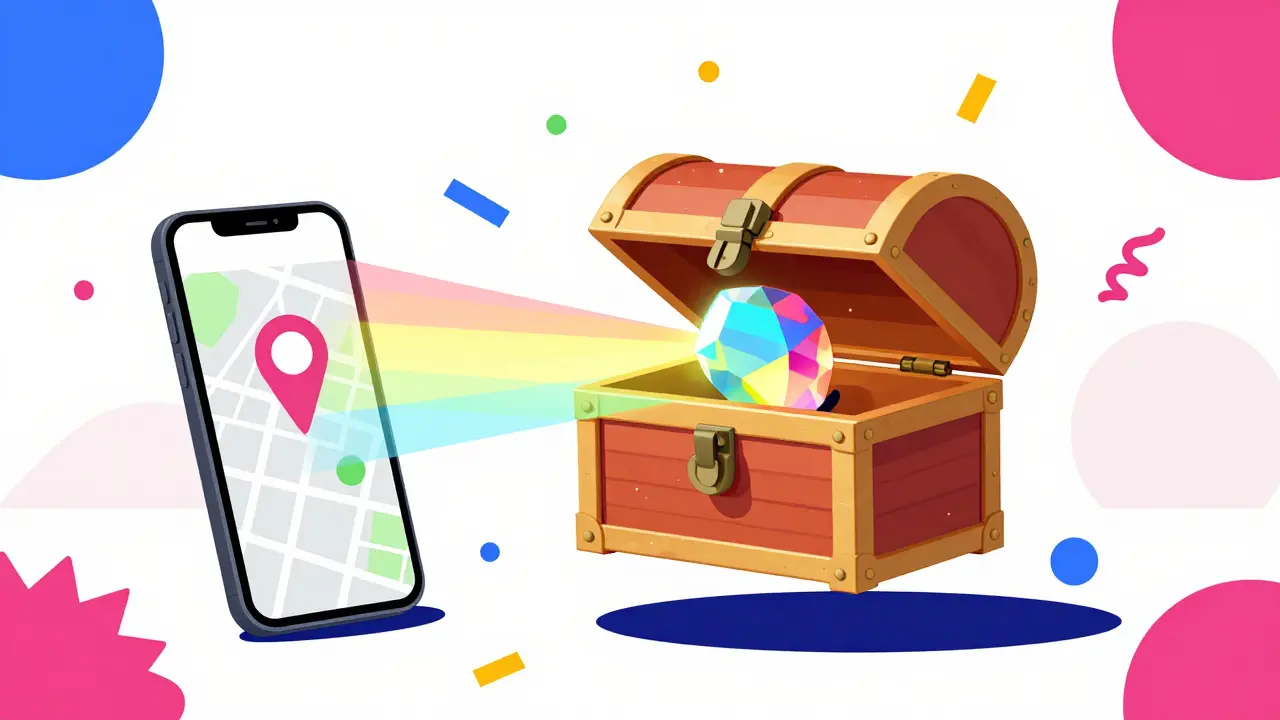
Creators are also experimenting with "hidden traits." Imagine an NFT that looks like a simple locked chest. Only when the owner interacts with a specific augmented reality (AR) trigger-like visiting a specific GPS coordinate in New York City-does the smart contract unlock the metadata, revealing a rare item inside. This blends the physical and digital worlds in a way that static NFTs simply cannot.
Pitfalls and Technical Hurdles
It sounds perfect, but there are hurdles. The biggest is the "Oracle Problem." If the external data source is wrong or gets hacked, the NFT updates to incorrect data. Because blockchain transactions are permanent, fixing a mass-update error can be a nightmare for developers.
There's also the issue of centralization. If a project uses a centralized server to host the JSON metadata, the creator can change the NFT's appearance whenever they want-essentially giving them a "kill switch" or the ability to rug-pull the aesthetic value of the asset. To combat this, serious projects use decentralized storage like IPFS, though updating files on IPFS requires a more complex orchestration of CID (Content Identifier) updates.
What is the main difference between a programmable NFT and a dynamic NFT?
While often used interchangeably, a dynamic NFT focuses on metadata that changes based on triggers. A programmable NFT takes it a step further, allowing the NFT to function as a contract call where the parameters of that call can be changed by the owner or an external event.
Does a Dynamic NFT cost more gas to maintain?
Updating metadata on-chain requires a transaction, which costs gas. To keep costs down, many projects use "lazy updates" where the data changes on a server, and the blockchain only records the change when the token is transferred or specifically requested.
Can I turn a static NFT into a dynamic one?
Generally, no. The logic for dynamic updates must be written into the smart contract at the time of deployment. If the original contract doesn't have a function to update the tokenURI or traits, it will remain static forever.
What is the role of Chainlink VRF in dNFTs?
Chainlink VRF (Verifiable Random Function) provides a mathematically proven way to generate random numbers on-chain. This is used in dNFTs to ensure that when a trait "evolves" or a loot box opens, the outcome is fair and cannot be predicted or manipulated by the developers.
Is ERC-7496 the only standard for dynamic traits?
It is one of the most prominent emerging standards specifically for dynamic traits, but many projects still use custom implementations of ERC-721 or ERC-1155. ERC-7496 is designed to make these traits more interoperable across different apps and platforms.
Next Steps for Creators and Collectors
If you're a developer, your first step is to decide where your data lives. If you need absolute decentralization, look into IPFS and a robust Oracle provider like Chainlink to handle your triggers. Start by mapping out your "trait logic"-exactly what condition triggers what change-before writing a single line of Solidity.
For collectors, the shift to dNFTs means you should stop looking at the current image and start looking at the utility roadmap. Ask yourself: How does this asset evolve? What are the triggers? Is the randomness verifiable? The value of a dNFT isn't just in what it is today, but in what it has the potential to become tomorrow.