
ELSS Mutual Funds in India: Best Tax-Saving Schemes for Aggressive Investors
 Jul, 18 2026
You have ₹1.5 lakh sitting idle, and you want to save on taxes this financial year. The clock is ticking toward March 31. Most people rush into Fixed Deposits or PPF because they are safe. But if you are an aggressive investor, safety isn't your primary goal-growth is. You want your money to work hard while it sits in a lock-in period.
This is where Equity Linked Savings Schemes (ELSS) come into play. They are the only mutual fund category in India that offers tax benefits under Section 80C of the Income Tax Act while investing primarily in equities. For someone willing to take calculated risks for higher returns, ELSS is often the superior choice over traditional instruments.
Why ELSS Fits the Aggressive Investor Profile
Let’s get one thing straight: ELSS is not for everyone. If you panic when your portfolio drops 10% in a week, look elsewhere. But if you understand market cycles and can wait three years, ELSS is a powerful tool.
The key differentiator here is the asset class. While Public Provident Fund (PPF) and National Savings Certificate (NSC) invest in government debt, ELSS funds invest in stocks. Historically, equity has outperformed debt over long horizons. In the last decade, the Nifty 50 index has delivered compound annual growth rates (CAGR) significantly higher than fixed-income instruments.
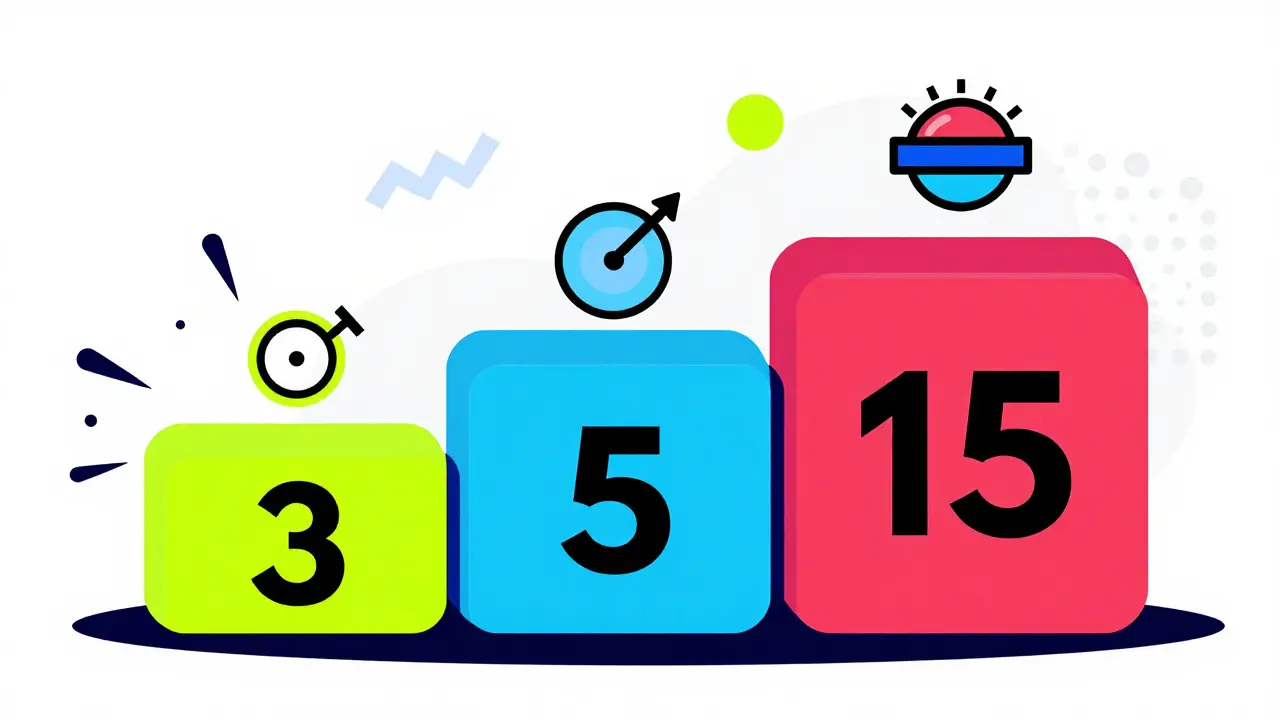
Moreover, ELSS has the shortest lock-in period among all Section 80C options. At just three years, it frees up your capital faster than the 15-year PPF or the 5-year NSC. This liquidity feature allows aggressive investors to redeploy their capital into new opportunities sooner.
What is the minimum investment amount for ELSS?
Most ELSS funds allow you to start with as little as ₹500 via a lump sum or through a Systematic Investment Plan (SIP). There is no upper limit, but your total claim under Section 80C cannot exceed ₹1.5 lakh per financial year.
Understanding the Mechanics: Lock-in and Taxation
Before you pick a fund, you need to understand the rules of the game. The three-year lock-in is non-negotiable. However, there is a nuance here that many miss. The lock-in applies to each unit individually, not the entire account. If you invest via SIP, each installment has its own three-year countdown. This means you can access portions of your money earlier than if you had invested the whole amount at once.
Taxation post-lock-in is another critical factor. As of the current tax regime, long-term capital gains (LTCG) from equity-oriented funds exceeding ₹1.25 lakh in a financial year are taxed at 12.5%. Gains below this threshold are tax-free. This is still highly favorable compared to short-term trading or debt fund taxation, especially for high-net-worth individuals looking to optimize their effective tax rate.
Remember, the tax benefit you get upfront under Section 80C is immediate. It reduces your taxable income directly. So, even if you pay LTCG later, the net effect over a 7-10 year horizon is usually positive due to the power of compounding on equity markets.
Criteria for Selecting the Best ELSS Funds
Picking the "best" fund is subjective, but for an aggressive investor, specific metrics matter more than others. Don’t just look at the past three years of returns. That’s too short a window for equity. Look at consistency over five and seven years.
- Expense Ratio: Every basis point counts. A lower expense ratio means more of your return stays in your pocket. Compare direct plans versus regular plans; direct plans almost always win because you cut out the distributor commission.
- Fund Manager Tenure: Equity picking is an art. Stick with funds managed by experienced professionals who have survived multiple market cycles. Frequent changes in fund management can disrupt strategy.
- Portfolio Concentration: Aggressive investors might prefer funds with a concentrated portfolio of high-conviction bets rather than those holding hundreds of stocks. Concentration can lead to higher volatility but also potentially higher alpha.
- Small-Cap Exposure: Some ELSS funds tilt towards small-cap stocks. These are riskier but offer explosive growth potential. Check the fund’s mandate to see if it aligns with your risk appetite.
Top Contenders in the Current Market Landscape
While past performance doesn’t guarantee future results, certain funds have consistently demonstrated strong risk-adjusted returns. Here are a few names that frequently appear in top-tier analyses for 2025-2026.
| Fund Name | Risk Profile | Key Strategy | Suitability |
|---|---|---|---|
| Axis ELSS Tax Saver Fund | Moderate-High | Diversified large and mid-cap focus | Investors seeking balance between growth and stability |
| Mirae Asset ELSS Tax Saver Fund | High | Growth-oriented with significant mid/small cap exposure | Aggressive investors comfortable with volatility |
| Nippon India ELSS Tax Saver Fund | High | Value and contrarian investing approach | Long-term holders who believe in mean reversion |
| Kotak ELSS Tax Saver Fund | Moderate | Quality-focused large-cap heavy portfolio | Conservative aggressive investors |
Note that Axis and Mirae have often been cited for their ability to generate alpha during bull runs, while Kotak tends to be more defensive during downturns. Your choice depends on whether you want maximum upside or slightly cushioned downside.
Common Pitfalls to Avoid
Even smart investors make mistakes with ELSS. One common error is investing at the last minute of the financial year without understanding the market valuation. If valuations are stretched, consider staggering your investments via SIP over two or three months instead of dumping the entire ₹1.5 lakh on March 31.
Another mistake is neglecting the exit load structure. While most ELSS funds don’t charge an exit load after the three-year lock-in, some may have specific clauses. Always read the Scheme Information Document (SID).
Also, don’t forget to update your KYC details. If your PAN, Aadhaar, or bank details are outdated, your redemption might get stuck, causing unnecessary stress when you need the money.
Strategic Allocation for Maximum Impact
If you are truly aggressive, consider making ELSS a core part of your equity portfolio, not just a tax-saving checkbox. Allocate the full ₹1.5 lakh limit if your cash flow permits. Then, layer additional equity investments outside of ELSS for further growth.
Think of ELSS as forced discipline. The lock-in prevents you from selling during market crashes. This behavioral nudge is invaluable for retail investors who often time the market poorly. By locking your money away, you ensure you ride out the volatility to capture the long-term upward trend of the Indian economy.
In summary, ELSS combines the dual benefits of tax efficiency and equity growth. For the aggressive investor, it’s not just about saving tax; it’s about deploying capital efficiently in a high-growth asset class with a manageable lock-in period. Do your homework, choose funds with consistent track records, and stay invested.
Can I withdraw my ELSS investment before the 3-year lock-in?
Generally, no. The 3-year lock-in is mandatory for tax exemption purposes. However, in rare cases like medical emergencies or death of the investor, some funds may allow premature withdrawal, but the tax benefit under Section 80C will be reversed, and you may face penalties. Always check the specific fund's SID.
Is it better to invest in ELSS via SIP or Lump Sum?
If you have a large sum available, SIP is often safer to average out market volatility. However, if you believe the market is undervalued, a lump sum might yield higher returns. For aggressive investors, a hybrid approach-investing 50% now and the rest via SIP over 6 months-can mitigate timing risk.
How does ELSS compare to NPS for tax savings?
NPS offers an additional deduction of up to ₹50,000 under Section 80CCD(1B), which ELSS does not. However, NPS has a longer lock-in until retirement age. ELSS is better for medium-term goals and liquidity, while NPS is strictly for retirement planning.