
Stablecoin Security: Smart Contracts, Bridges, and Key Management in 2026
 Mar, 25 2026
By March 2026, the landscape for digital money has shifted dramatically. What once felt like the Wild West is now governed by strict infrastructure standards. When you hold a token pegged to the dollar or euro, you aren't just trusting code; you are trusting a complex web of security protocols. The question isn't whether stablecoins are safe anymore, but how they are protected against evolving threats. We are looking at three main pillars that keep your assets secure: the code running the token, the paths it travels across chains, and the hands holding the keys.
Understanding stablecoin security is the practice of protecting digital assets pegged to fiat currency from theft, loss, and regulatory failure through technical and custodial measures is no longer optional for investors or developers. In 2026, if a project lacks robust safeguards in these areas, it simply cannot survive on major exchanges. The market has consolidated around assets that prove they can withstand pressure. This guide breaks down exactly how these security layers work and what you need to watch for when choosing where to keep your funds.
Smart Contract Vulnerabilities and Code Risks
At the heart of every stablecoin is a smart contract is self-executing code on a blockchain that automates issuance, redemption, and transfers of tokens. These contracts are the engine room. If the engine has a flaw, the whole vehicle crashes. The biggest risk here isn't just bad coding; it's the complexity of how these contracts interact with other systems. A single logic error can lead to unauthorized token creation or frozen transfers.
We have seen this happen before. The bZx protocol exploitation directly hurt DAI positions, showing that even established systems have weak points. Hackers don't just look for bugs; they look for upgrade paths. Many protocols allow their code to be updated. While this sounds flexible, it introduces centralization risks. If the people with the upgrade keys get compromised, they can change the rules of the game. This is why formal verification is now standard. Teams use mathematical proofs to check the code before it ever goes live.
Composability creates another layer of risk. Stablecoins rarely live in isolation. They interact with lending platforms, exchanges, and yield farms. These interactions create unexpected behaviors. A glitch in a lending protocol might drain the collateral backing a stablecoin. This is known as a cascading failure. In 2026, developers must test how their contract behaves when connected to thousands of other contracts. Security audits are no longer a one-time event. They are continuous processes because the ecosystem changes daily.
The Danger of Cross-Chain Bridges
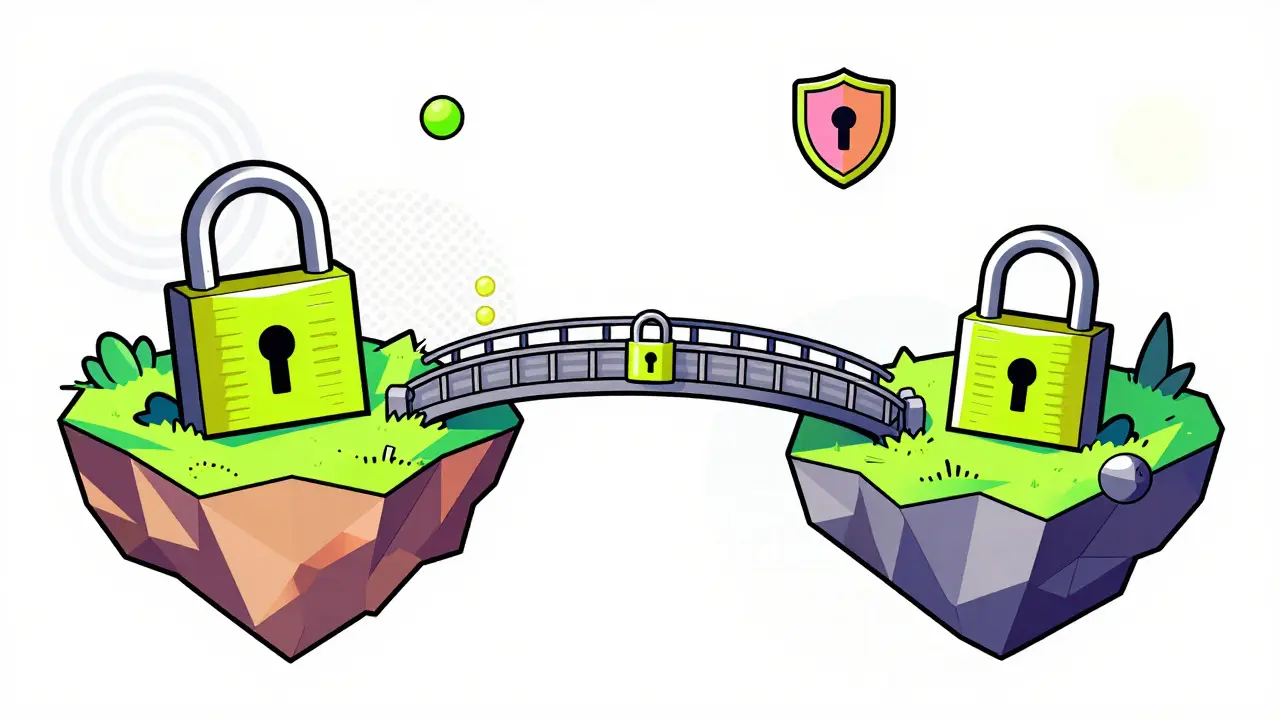
Moving money between blockchains is convenient, but it introduces a massive attack surface. A cross-chain bridge is a protocol that enables the transfer of assets between different blockchain networks acts like a tunnel between two secure vaults. If the tunnel is weak, thieves can bypass the vaults entirely. The Solana wormhole bridge hack is a stark reminder of this. Attackers exploited the bridge mechanism to mint counterfeit tokens, impacting USDC holdings on that network.
The technical risk here involves duplicate tokens. If the bridge fails to lock the asset on the source chain while minting it on the destination chain, you end up with the same token existing in two places. This breaks the peg. Replay attacks are another concern, where a transaction meant for one chain is executed on another. Validators play a huge role here. If the validators running the bridge are concentrated in one jurisdiction or controlled by a few entities, they could collude or fail, freezing your funds.
Market consolidation in 2026 has actually helped reduce some bridge risks. Liquidity is concentrating in fewer, stronger ecosystems like Ethereum and Solana. This means fewer bridges to monitor. However, it also means the remaining bridges carry more weight. A failure in a major bridge now affects more users than it would have in 2021. Users should prefer assets that stay on a single chain or use bridges with multi-signature security and time-lock mechanisms.
Key Management and Custodial Standards
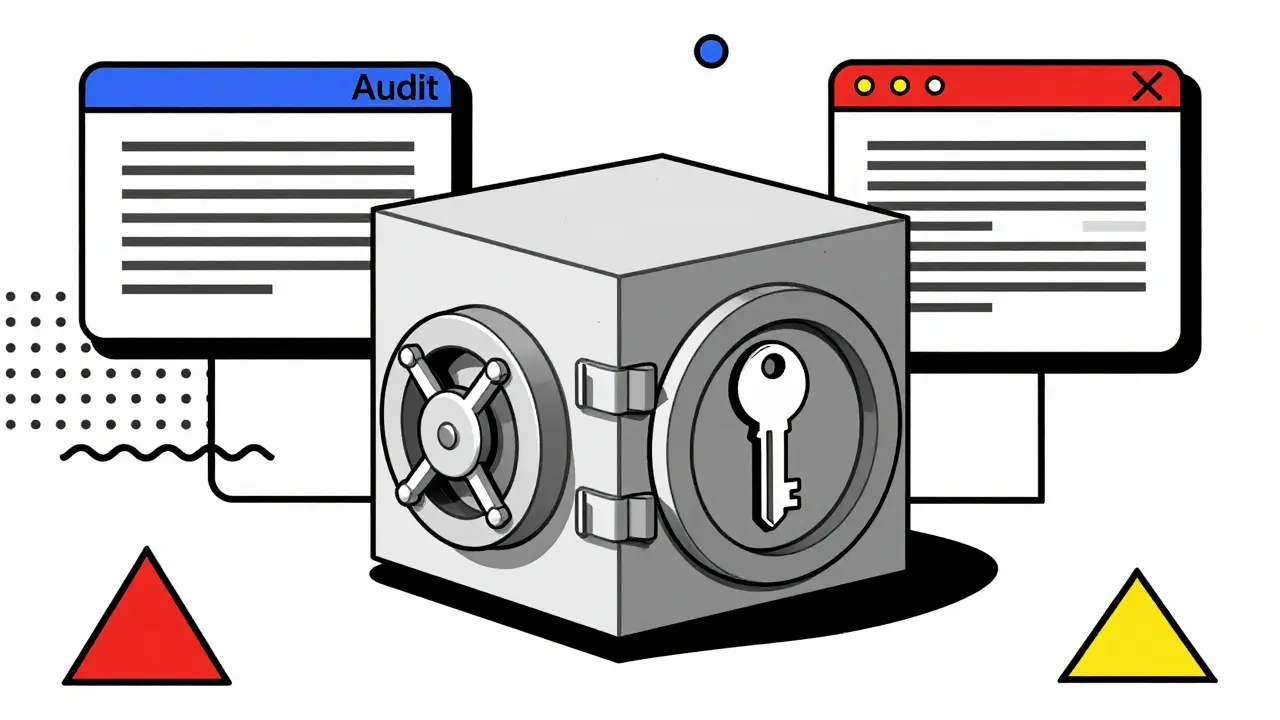
Even if the code is perfect, the keys holding the reserves must be secure. Key management is the structural foundation of trust. Under 2026 regulations, you cannot just keep reserves in a corporate wallet. Stablecoin reserves must be held in segregated accounts. This means the money backing your token is entirely separate from the company's operating funds. If the issuer goes bankrupt, your assets are protected.
Issuers are now classified as either depository institutions or non-bank trusts approved by regulators like the Office of the Comptroller of the Currency (OCC). They must use licensed custodians. These custodians are third parties responsible for holding the private keys. This removes the risk of the issuer stealing or losing the funds themselves. Regular independent audits verify that the reserves actually exist. You can no longer rely on a company's word; you need proof from a top-tier accounting firm.
New York's BitLicense regime sets a high bar. It requires monthly attestations of reserve adequacy. This means every month, an auditor confirms that for every token in circulation, there is a dollar in the bank. The UK's emerging framework follows a similar path, requiring one-to-one reserve backing in the same currency. These assets must be high-quality liquid assets, like cash or short-term sovereign debt. This ensures that if everyone tries to withdraw at once, the issuer can actually pay them out.
| Region | Reserve Requirement | Attestation Frequency | Custody Rule |
|---|---|---|---|
| United States (SEC/OCC) | 100% Segregated | Monthly | Licensed Custodian |
| European Union (MiCA) | High-Quality Liquid Assets | Annual + Monthly | Bankruptcy-Remote |
| United Kingdom | 1:1 Same Currency | Monthly | Segregated Accounts |
Regulatory Frameworks and Compliance
Regulation is not just about rules; it is about security standards. The SEC's Comprehensive Framework for Stablecoin Regulation now mandates quantum-resistant security. This prepares the industry for future threats where quantum computers could crack current encryption. It also requires frameworks for artificial intelligence integration. AI is being used by both attackers and defenders. Protocols must now show they can handle AI-driven attacks.
The European Union's Markets in Crypto-Assets Regulation (MiCA) is fully implemented as of 2026. Issuers operating in the EU need an Electronic Money Institution (EMI) license. This license ensures strict reserve management. If you hold a MiCA-compliant stablecoin, you know the assets are protected by bankruptcy-remote structures. This means the stablecoin's assets cannot be claimed by the issuer's other creditors.
Anti-money laundering (AML) rules shape how keys are managed too. Issuers must implement technology to freeze tokens when legally required. This helps law enforcement combat theft and fraud. It also serves as a safeguard for users against hackers who might try to move stolen funds. Zero-Knowledge compliance tools allow platforms to verify user eligibility without exposing sensitive data. This balances privacy with the need for security and legal compliance.
Future Threats and Security Trajectories
Looking ahead, the threat landscape is shifting. Quantum computing is the long-term worry. Current cryptographic systems could become vulnerable. Regulatory frameworks are already calling for quantum-resistant approaches. This means stablecoin protocols need to plan for a transition to new encryption standards before quantum computers become powerful enough to break the old ones.
Artificial intelligence is the immediate concern. Hackers are using AI to find code vulnerabilities faster than humans can write them. Security teams are using AI to scan for bugs and simulate attacks. This creates an arms race. Teams that invest in rigorous development practices have better odds of surviving. The market is filtering out projects that treat security as secondary to speed. If you launch a new stablecoin in 2026 without clear differentiation and security, you will likely be delisted.
International coordination is key. We are seeing frameworks for cross-border oversight. This prevents regulatory arbitrage, where issuers move to countries with weak rules to avoid security standards. Public-private partnerships are forming to combine government expertise with private technical capabilities. This ensures that security standards evolve as fast as the technology does.
Practical Steps for Investors
When choosing a stablecoin, look for transparency reports. These should be published monthly and verified by independent firms. Check if the issuer is licensed in major jurisdictions like the US or EU. Avoid tokens that do not disclose their reserve backing. Liquidity matters too. If a token is only on obscure chains, it might be harder to redeem during stress.
Understand the custody model. Are the reserves held in a bank or a digital wallet? Bank reserves offer more protection against digital theft. Digital reserves require robust key management. Know who holds the keys. If the issuer holds the keys, there is more risk. If a third-party custodian holds them, it is safer. Always read the terms of service to understand freeze capabilities.
Finally, monitor the regulatory news. Standards change. A token that is compliant today might not be compliant tomorrow if regulations tighten. Diversify your holdings across different stablecoin issuers to reduce systemic risk. Do not put all your funds into one asset, even if it looks secure. The goal is resilience, not just convenience.
What is the biggest risk to stablecoin security in 2026?
The biggest risk is smart contract vulnerability combined with cross-chain bridge failures. Code flaws can lead to unauthorized token creation, while bridges can be exploited to mint duplicate tokens across networks.
How do regulators protect stablecoin reserves?
Regulators require reserves to be held in segregated accounts separate from operating funds. They mandate monthly attestations by independent accounting firms and require licensed custodians to hold the assets.
What is MiCA compliance for stablecoins?
MiCA is the European Union's Markets in Crypto-Assets Regulation. It requires issuers to hold an Electronic Money Institution license and ensures assets are protected by strict reserve management and bankruptcy-remote structures.
Can stablecoins be frozen by the issuer?
Yes, approved issuers must implement technology to freeze tokens when legally required. This helps law enforcement combat theft and fraud and serves as a safeguard against hackers for law-abiding users.
Why are cross-chain bridges considered dangerous?
Bridges create risks like duplicate tokens across chains and replay attacks. If the bridge mechanism is compromised, attackers can mint counterfeit tokens, impacting the stability and value of the asset.
The shift toward compliance is clear. Stablecoin security has moved from an optional concern to a fundamental requirement. Protocol teams investing in rigorous development and transparent key management are the ones surviving. As you navigate this space, prioritize assets that prove their security through audits, regulation, and independent verification. Your funds are only as safe as the weakest link in the chain.