
Account Abstraction: What It Means for Crypto and Smart Contracts
When you think of a crypto wallet, you probably picture a private key—a long string of letters and numbers that controls your money. But account abstraction, a system where smart contracts, not private keys, manage user accounts on blockchains. Also known as smart account, it lets your wallet behave like an app—with rules, permissions, and recovery options built right in. This isn’t science fiction. It’s already changing how people use Ethereum and other chains.
Right now, if you lose your private key, your crypto is gone forever. With account abstraction, a system where smart contracts, not private keys, manage user accounts on blockchains, you can set up social recovery—like asking three friends to help you regain access. You can also limit spending: only allow transactions under ₹5,000 on weekends, or block payments to unknown addresses. It’s like giving your wallet a set of rules instead of just a password.
This shift also helps with smart contracts, self-executing programs on blockchains that run when conditions are met. Right now, using DeFi apps often means juggling multiple wallets, approving dozens of transactions, and paying high gas fees. With account abstraction, one smart contract can handle all that—batching transactions, paying fees in stablecoins instead of ETH, and even letting you pay with your credit card through a wallet interface. It’s not just easier—it’s safer.
And it’s not just for experts. Imagine a parent setting up a wallet for their teen with a monthly allowance that auto-reloads from a bank account. Or a small business owner who wants to pay contractors automatically every Friday without logging into a wallet. These aren’t hypotheticals. They’re real use cases being built right now. The Ethereum, a decentralized blockchain platform that supports smart contracts and dApps network is leading the charge, but other chains are catching up fast.
What you’ll find in the posts below isn’t theory—it’s real-world analysis. You’ll see how account abstraction impacts gas fees, how it connects to wallet security, and why it matters if you’re using DeFi, NFTs, or even just holding crypto. There’s no fluff. Just clear breakdowns of what’s changing, who it helps, and what you need to know before the next upgrade hits.
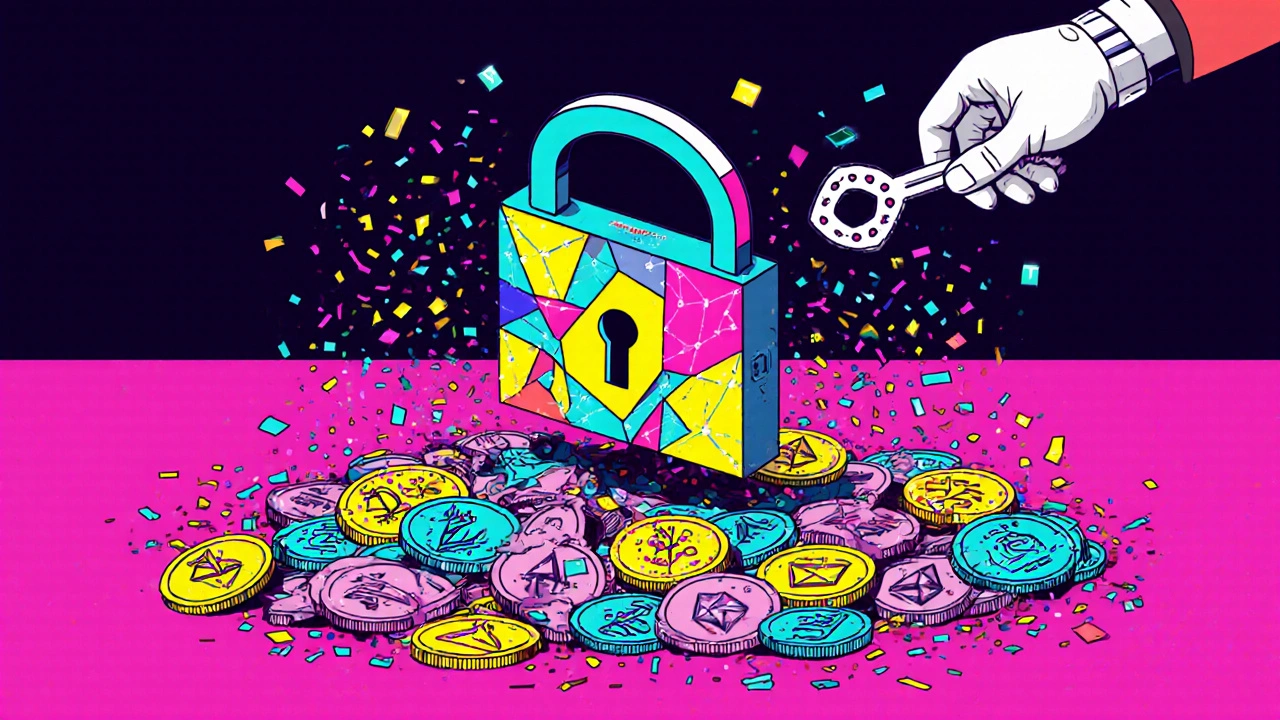
Ethereum Account Abstraction: How ERC-4337 and Smart Wallets Are Changing Crypto Access
ERC-4337 enables smart contract wallets on Ethereum, letting users pay gas in tokens, recover accounts socially, and batch transactions-without needing private keys. Here's how it works and why it matters.
Categories
- Cryptocurrency
- Careers & Education
- Home & Living
- Technology
- Home & Lifestyle
- hire domestic help in Mumbai
- hire drivers in mumbai
- Personal Finance
- hire pet care in mumbai
- Travel & Transportation