
Cryptocurrency Upgrade: What It Means and How It Affects Your Wallet
When you hear cryptocurrency upgrade, a change to the underlying software of a blockchain network that alters how transactions work, tokens are issued, or users interact with the system. Also known as hard fork, it's not just a technical update—it can reset your wallet’s value, change your tax liability, or even make your coins easier to use without a private key. Most people think upgrades are for developers, but they’re really for you. If you own Bitcoin, Ethereum, or even a simple NFT, an upgrade might already have changed how much you pay in taxes, how fast your transactions go, or whether your tokens can be recovered if you lose your password.
Take ERC-4337, a major Ethereum upgrade that lets users manage their crypto accounts like apps—with social recovery, gas paid in any token, and no need to hold private keys. This isn’t science fiction—it’s live. It means you can log in with your phone, not a 24-word phrase. Or look at token unlock, when large groups of coins held by teams or investors are released into the market, often crashing prices if not timed right. These aren’t random events—they’re scheduled, predictable, and directly tied to how much your altcoin is worth next month. And if you’re holding NFTs, a NFT tax rule, a classification by the IRS that treats digital art as collectibles with a 28% tax rate instead of 20%, could mean you owe thousands more than you thought.
Even mining has changed. Upgrades like the Ethereum merge killed proof-of-work, making GPU mining useless for Ethereum—but still useful for other coins. Meanwhile, ASIC miners still dominate Bitcoin, but they’re expensive, noisy, and need cheap electricity. If you’re not tracking upgrades, you’re guessing. Some upgrades save you money. Others cost you. Some make your coins more useful. Others make them harder to sell. The ones that matter most? The ones that touch your wallet, your taxes, or your daily use.
Below, you’ll find real guides on exactly how these upgrades play out: from how ERC-4337 wallets work, to when token unlocks crash prices, to how mining hardware choices affect your profits in 2025. No fluff. No theory. Just what you need to know before your next transaction, trade, or tax filing.
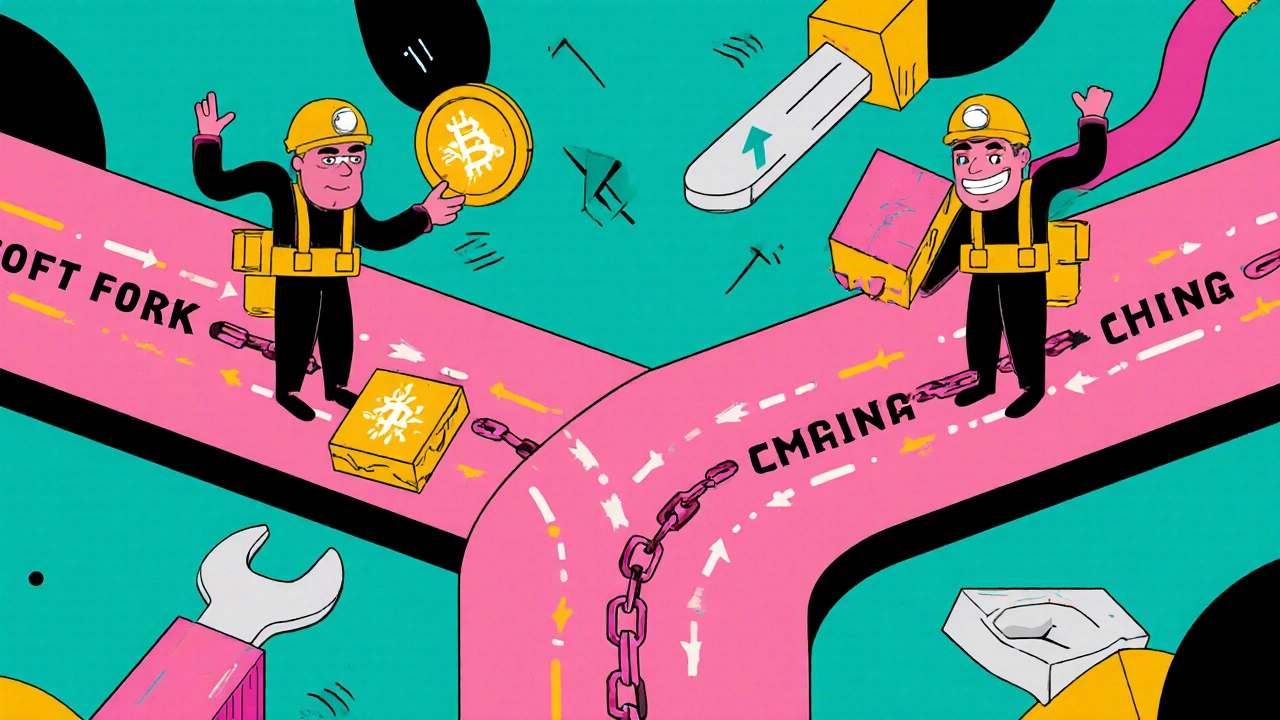
Blockchain Forks Explained: Soft Forks, Hard Forks, and Chain Splits in Cryptocurrency
Learn how soft forks, hard forks, and chain splits work in cryptocurrency. Understand what happens to your coins during a fork, why they occur, and how to stay safe.
Categories
- Cryptocurrency
- Careers & Education
- Home & Living
- Technology
- Home & Lifestyle
- hire domestic help in Mumbai
- hire drivers in mumbai
- Personal Finance
- hire pet care in mumbai
- Travel & Transportation