
Home Loan Interest Rates India: What You Pay and How to Save
When you take out a home loan interest rates India, the percentage a lender charges you annually on the borrowed amount. It's not just a number—it's what decides if you’ll pay ₹50 lakh or ₹70 lakh over 20 years for the same ₹40 lakh home. These rates change often, based on RBI policy, bank competition, and your credit score. A 0.5% difference might seem small, but it can cost you over ₹10 lakh extra in interest over the life of your loan.
home loan principal repayment, the part of your EMI that reduces your actual loan balance matters more than you think. While interest eats up most of your early payments, every rupee you pay toward principal shrinks your debt and unlocks tax benefits under Section 80C tax benefit, a provision allowing up to ₹1.5 lakh annual deduction on home loan principal. You can’t claim interest under 80C—that’s handled separately under Section 24. Many buyers don’t realize they’re leaving money on the table because they don’t track how much of their EMI goes to principal versus interest.
Home loan interest rates in India aren’t fixed. They’re either floating (linked to RBI’s repo rate) or fixed (locked for a set time). Floating rates are cheaper now, but they can rise. Fixed rates give peace of mind but cost more upfront. If you’re planning to sell or refinance in 5 years, a fixed rate might not be worth it. Also, your loan amount, down payment, and property type all affect the rate you get. A ready-to-occupy property often gets better rates than under-construction ones, because banks see less risk.
Don’t just pick the lowest rate you see. Look at the total cost: processing fees, prepayment charges, and hidden terms. Some banks offer low rates but charge ₹20,000 in fees. Others let you prepay without penalty—big if you plan to pay extra later. And if you’re using your home loan to save tax, make sure your principal repayment fits within your ₹1.5 lakh 80C limit. You can’t stack it with PPF or ELSS unless you have room left.
Right now, home loan interest rates in India range from 8.5% to 11%, depending on your profile. Salaried professionals with good credit scores can get under 9%. Self-employed folks or those with lower income stability might pay more. First-time buyers sometimes get special discounts, especially if they’re buying in Tier-2 cities. But in Mumbai, where property prices are high, even a 0.25% rate drop can mean ₹1,500 less per month on a ₹75 lakh loan.
And here’s something no one tells you: your loan term affects your rate. A 15-year loan often gets a lower rate than a 30-year one. Why? Shorter terms mean less risk for the bank. But your EMI will be higher. If you can afford it, go shorter. You’ll pay far less in total interest.
Below, you’ll find real guides on how home loans work in India—what counts toward tax savings, how builder payment plans can backfire, and how to avoid overpaying for a property that doesn’t fit your budget. These aren’t theory pieces. They’re from people who’ve been through it. Whether you’re buying your first home or refinancing, you’ll find what actually matters.
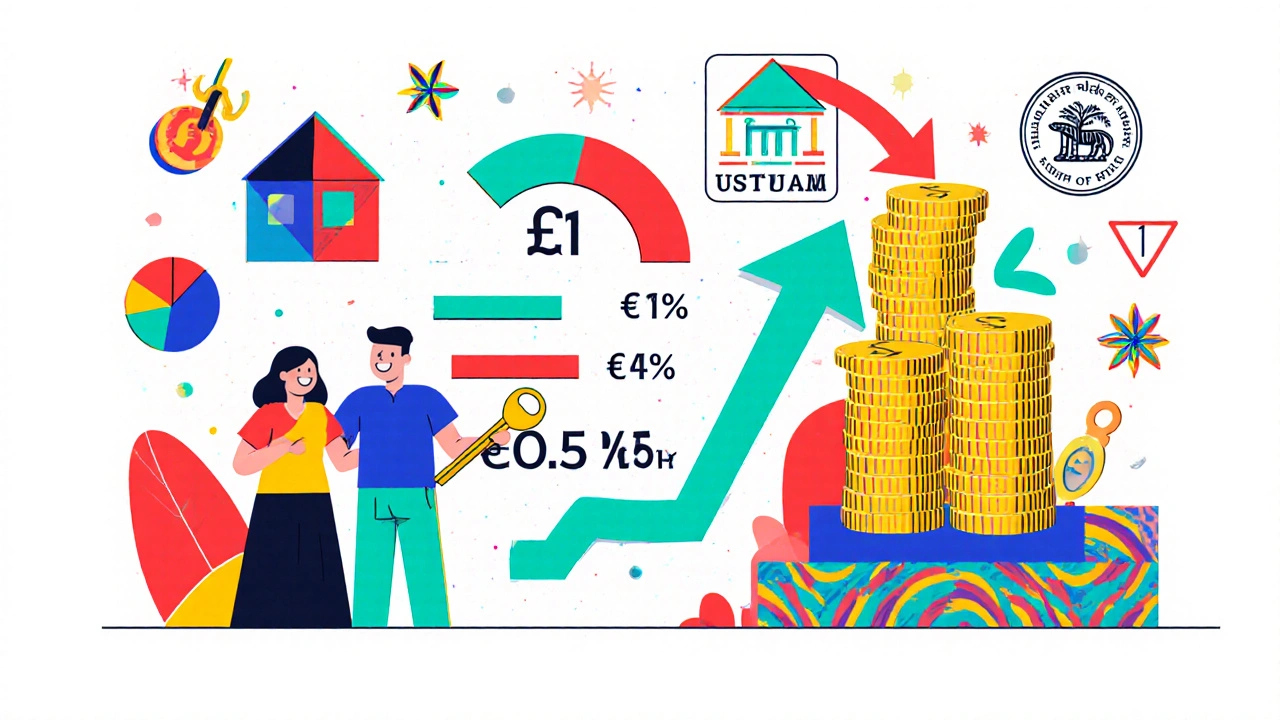
Home Loan Interest Rates in India: How They Work and How to Get the Best Deal
Understand how home loan interest rates work in India in 2025, what affects your rate, how to compare lenders, negotiate better terms, and avoid hidden costs to save lakhs over your loan term.
Categories
- Cryptocurrency
- Careers & Education
- Home & Living
- Technology
- Home & Lifestyle
- hire domestic help in Mumbai
- hire drivers in mumbai
- hire pet care in mumbai
- Travel & Transportation
- Health & Fitness