
Indian Tax Deductions: What You Can Claim Under Section 80C, 80D, and More
When it comes to Indian tax deductions, rules that let you reduce your taxable income legally, lowering your tax bill without changing your income. Also known as tax-saving provisions, these are the backbone of how millions of Indians manage their finances each year. It’s not about hiding money—it’s about using the law to keep more of what you earn.
The biggest player here is Section 80C, a part of India’s Income Tax Act that lets you deduct up to ₹1.5 lakh annually from your taxable income by investing in approved instruments. Think home loan principal payments, PPF, EPF, life insurance premiums, and even your child’s school fees. It’s not just for investors—it’s for anyone with a salary, a home, or a kid in school. Then there’s Section 80D, the rule that lets you claim deductions for health insurance premiums you pay for yourself, your family, or your parents. Together, these two sections can cut your taxable income by up to ₹2.25 lakh a year. That’s not a small number—it’s the difference between paying tax and not paying it at all.
People often mix up deductions with exemptions or credits, but here’s the simple truth: deductions lower your income before tax is calculated. So if you earn ₹12 lakh and claim ₹1.5 lakh under Section 80C, you’re taxed on ₹10.5 lakh, not the full amount. And it’s not just about putting money into a fixed deposit. Your home loan principal repayment? That counts. Your child’s Sukanya Samriddhi Yojana account? That counts too. Even tuition fees for two kids can be tucked under 80C. But here’s the catch—many don’t realize that not all insurance plans qualify, and not every medical expense is covered under 80D. Only premiums paid for policies registered under the law count.
What’s missing from most advice? The timing. You can’t claim deductions after March 31st if you haven’t invested. And if you’re renting, your rent doesn’t reduce your tax—unless you’re under HRA, which is a different rule entirely. Meanwhile, your home loan interest? That’s under Section 24, separate from 80C. These aren’t random rules—they’re layered, and they interact. A family paying ₹1.5 lakh into PPF, ₹50,000 in health insurance, and ₹80,000 in home loan principal? They’re already maxing out their 80C and 80D benefits without even trying.
What you’ll find below isn’t theory. It’s real, current, and specific. You’ll see exactly how much you can save on a home loan, why SSY beats Child ULIPs for tax and returns, how stamp duty and STT eat into your trading profits, and why your maid’s salary doesn’t affect your taxes—but your rent agreement might. No jargon. No guesswork. Just what works, what doesn’t, and what you need to do before the financial year ends.
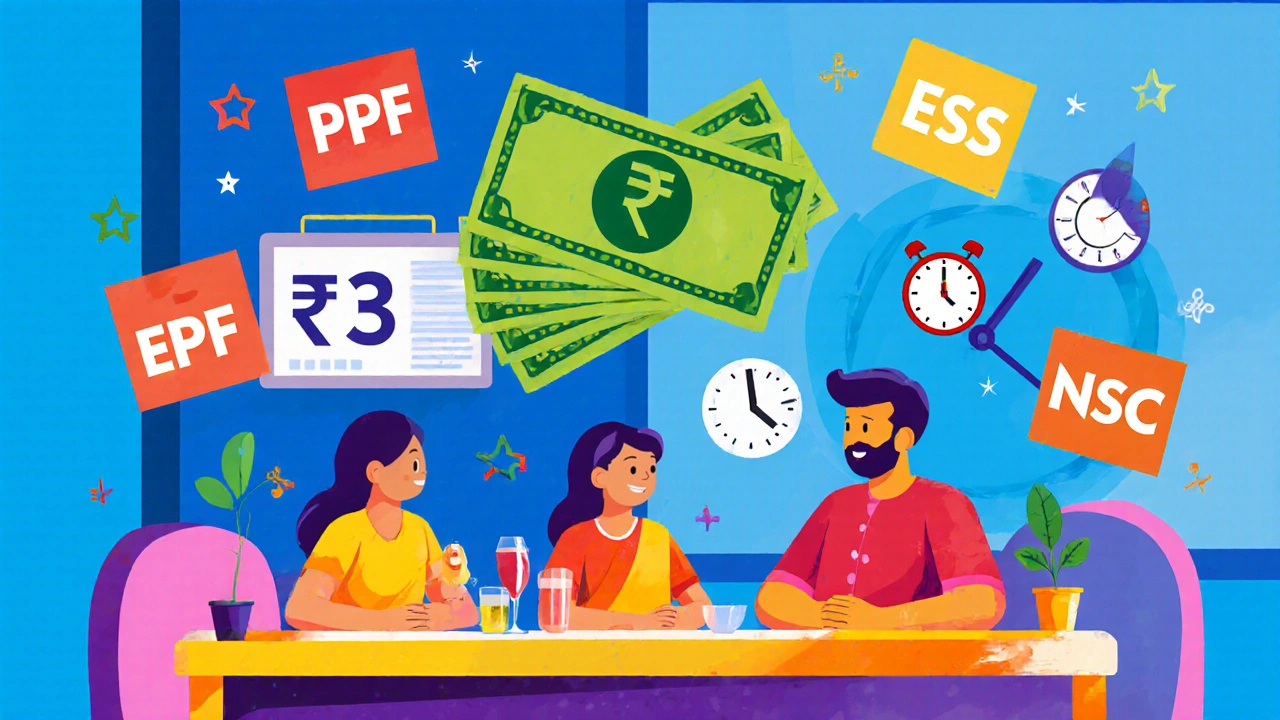
Section 80C Deduction in India Explained: Maximize Tax Savings up to ₹1.5 Lakh
Learn how to legally save up to ₹1.5 lakh in taxes under Section 80C in India with eligible investments like ELSS, PPF, EPF, and more. Maximize your deductions and avoid common mistakes.
Categories
- Cryptocurrency
- Careers & Education
- Home & Living
- Technology
- Home & Lifestyle
- hire domestic help in Mumbai
- hire drivers in mumbai
- Personal Finance
- hire pet care in mumbai
- Travel & Transportation