
KYC for Mutual Funds: What You Need to Know to Invest in India
When you start investing in KYC for mutual funds, the mandatory identity verification process required by SEBI for all mutual fund investors in India. Also known as Know Your Customer, it’s not a formality—it’s the gatekeeper to your investments. Without completing KYC, you can’t buy a single unit of any mutual fund, no matter how good the scheme looks. It’s the same rule whether you’re investing ₹500 or ₹5 lakh.
KYC for mutual funds is handled by KRA, KYC Registration Agencies approved by SEBI. These include entities like CVL, CDSL, NSDL, and others. You don’t need to go to each fund house separately—once you’re KYC-compliant with one KRA, it works across all mutual funds in India. This saves time and avoids repeated paperwork. The process needs just your Aadhaar, PAN, and a signed form. Many people think it’s complicated, but if you have your documents ready, it takes less than 15 minutes online. What trips people up isn’t the process—it’s the documents. Some submit expired IDs. Others forget to sign the form. A few even try to use someone else’s Aadhaar. These mistakes delay your investment by weeks.
There’s also confusion around SEBI KYC norms, the rules set by the Securities and Exchange Board of India that govern how KYC must be done. These rules changed in 2023 to make digital verification easier. Now, e-KYC using Aadhaar OTP is fully accepted, and you can complete it from your phone. No more visiting offices or mailing papers. If you’ve done KYC for your demat account or trading platform, you’re likely already compliant—just check your status online. But if you’ve never invested before, or your KYC lapsed, you’ll need to start fresh. The system isn’t perfect. Some agents still push paper forms for commissions. Some platforms don’t update your status right away. But if you use a registered KRA and follow the steps, you’ll get through without stress.
Once your KYC is done, you’re free to invest in any mutual fund—equity, debt, hybrid, or ELSS. It doesn’t matter if you’re saving for your child’s education, your retirement, or just trying to beat inflation. KYC is the only hurdle you need to clear upfront. After that, it’s all about picking the right fund and staying consistent.
Below, you’ll find real guides on how to complete KYC, what documents work, where to check your status, and how to fix common errors. No fluff. Just what you need to get started—and stay compliant—without wasting time.
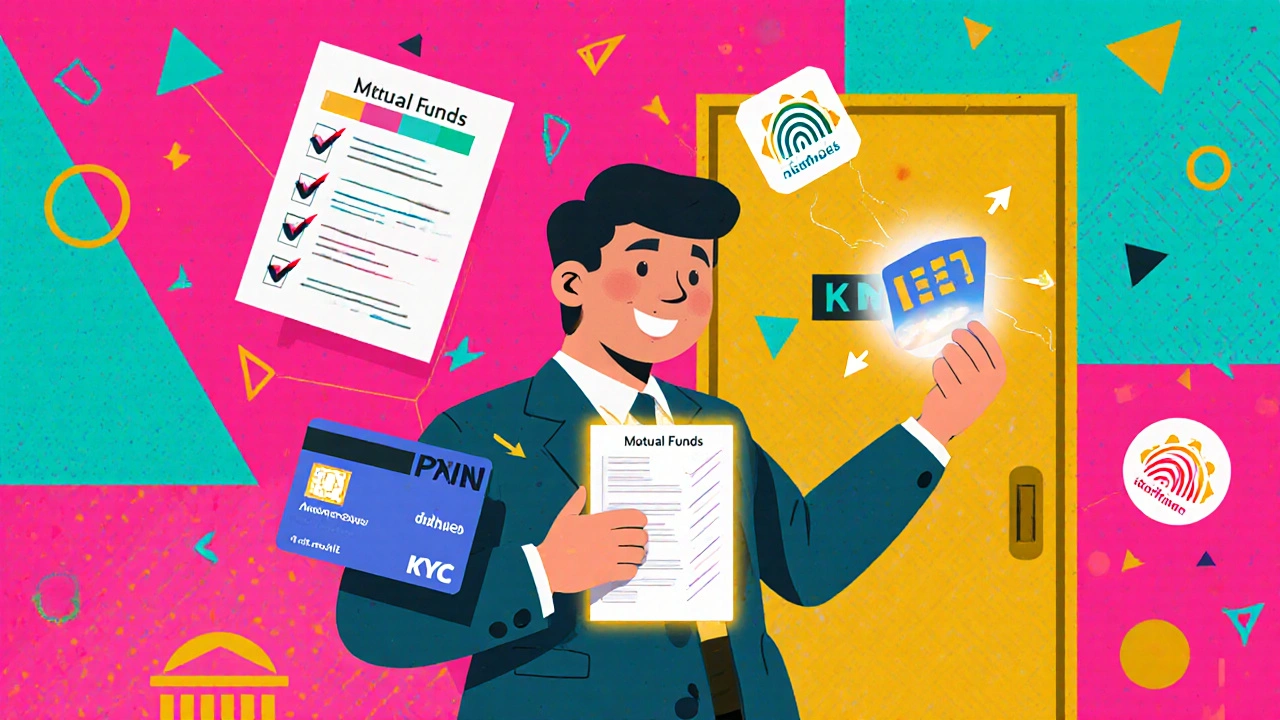
How to Use KYC, PAN, and Aadhaar for Investing in Mutual Funds in India
Learn how to use KYC, PAN, and Aadhaar to invest in mutual funds in India. Step-by-step guide for beginners on completing digital KYC, linking documents, and avoiding common mistakes.
Categories
- Cryptocurrency
- Careers & Education
- Home & Living
- Technology
- Home & Lifestyle
- hire domestic help in Mumbai
- hire drivers in mumbai
- Personal Finance
- hire pet care in mumbai
- Travel & Transportation