
Section 80D: Tax Deductions for Health Insurance and Medical Expenses in India
When you pay for health insurance or medical bills, Section 80D, a tax provision under India's Income Tax Act that lets you claim deductions for health-related expenses. Also known as health insurance tax benefit, it helps you reduce your taxable income by up to ₹25,000 or more—depending on your family’s age and coverage. This isn’t just about insurance premiums. It also covers out-of-pocket medical costs for senior citizens and preventive health checkups.
Section 80D works for you if you’re paying for health insurance for yourself, your spouse, your kids, or your parents. If you’re under 60, you can claim up to ₹25,000 for your own family’s policy. If your parents are senior citizens (60+), you get an extra ₹25,000. If both you and your parents are seniors, you can claim up to ₹50,000 total. That’s a direct reduction in your tax bill—not just a refund later, but less tax deducted from your salary right away. Many people miss out because they don’t realize preventive health checkups count too—up to ₹5,000 per year, even if you don’t have insurance.
What you can’t claim? Cash payments for medicines without a prescription, gym memberships, or insurance bought for in-laws. The rules are clear: payments must be made through bank transfer, cheque, or digital mode. No cash. No loopholes. And you can’t claim the same premium twice—if your employer pays part of it, you only claim what you paid yourself. This is why people mix up Section 80D with Section 80C. Section 80C covers things like PPF and ELSS. Section 80D? Purely health. They don’t overlap, but you can use both at the same time.
People in Mumbai often overlook this because they think health insurance is too expensive. But the tax break makes it cheaper. A ₹15,000 premium for a family floater? You save ₹4,500 in taxes if you’re in the 30% slab. That’s like getting a 30% discount on your coverage. And if you’re helping your aging parents, that ₹25,000 extra deduction can cover their annual checkups, medicines, or even a standalone policy for them. This isn’t just tax planning—it’s smart family care.
Below are real guides that show how people use Section 80D to cut costs, combine it with other deductions, and avoid common mistakes. You’ll find breakdowns of what counts as a valid expense, how to document your claims, and how this interacts with home loan tax benefits under Section 80C. Whether you’re buying your first policy or helping your parents manage medical bills, these posts give you the exact numbers, rules, and tips you need—no fluff, no theory, just what works in India today.
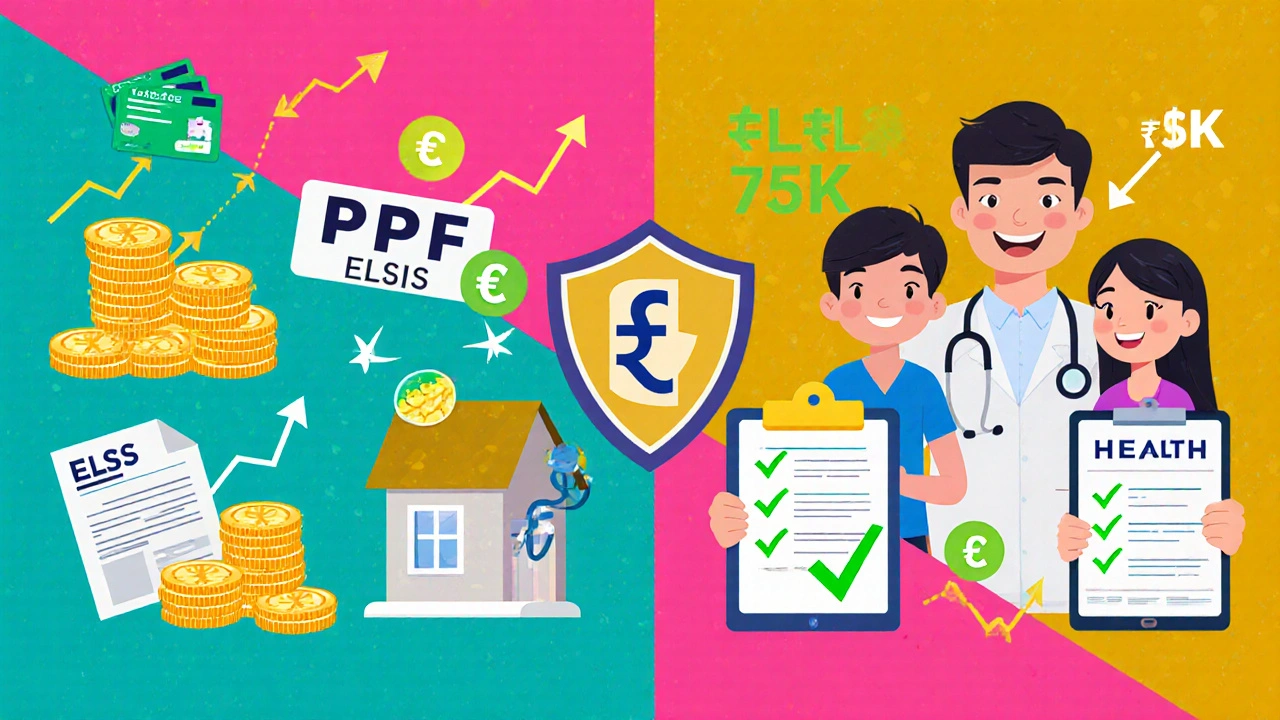
Section 80C vs 80D in India: Know the Difference Between Investment and Health Insurance Deductions
Understand the difference between Section 80C and Section 80D in India to maximize your tax savings. Learn how investment deductions and health insurance premiums can reduce your taxable income by up to ₹2.25 lakh annually.
Categories
- Cryptocurrency
- Careers & Education
- Home & Living
- Technology
- Home & Lifestyle
- hire domestic help in Mumbai
- hire drivers in mumbai
- hire pet care in mumbai
- Personal Finance
- Travel & Transportation