
Smart Contract Wallets: What They Are and How They Work
When you think of a smart contract wallet, a type of crypto wallet powered by self-executing code on a blockchain that can automate transactions and enforce rules without intermediaries. Also known as account abstraction wallets, it lets you set up custom rules like multi-signature approvals, spending limits, or scheduled payments—all without needing a third party. Unlike regular wallets that just hold keys, smart contract wallets act like tiny programs running on the blockchain. They can reject suspicious transactions, require approval from multiple people, or even pay your gas fees in stablecoins instead of ETH. This isn’t science fiction—it’s what’s already happening with wallets like Argent, Safe, and Braavos.
These wallets are built on top of blockchain wallets, digital tools that store cryptographic keys to access and manage cryptocurrency assets, but they add logic. Think of it like upgrading from a basic key to a smart lock that only opens if your phone says it’s okay, or if your spouse also approves. They reduce the risk of losing funds to phishing or mistakes because the wallet itself can block bad actions. For example, if someone tries to send your entire balance to a scam address, the wallet’s code can stop it. You can also recover access without a seed phrase—something regular wallets can’t do. That’s huge for everyday users who aren’t crypto experts.
Smart contract wallets also connect directly to decentralized finance, a system of financial services built on blockchain that removes banks and middlemen. Need to pay your rent in USDC every month? Set up an automatic payment. Want to split bills with roommates in crypto? Program it. These wallets make it possible to use crypto like real money, not just a speculative asset. They’re especially useful in Web3 wallets, digital wallets designed to interact with decentralized applications and blockchain-based services, where you’re constantly signing into dApps, staking tokens, or trading on decentralized exchanges. The wallet doesn’t just hold your assets—it helps you manage them smarter.
What you’ll find below is a collection of posts that explore how these wallets fit into real-world crypto use, from security setups to automation tricks. You’ll see how people are using them to cut costs, avoid scams, and make crypto feel less like a technical puzzle and more like a tool. No theory-heavy jargon. Just clear examples of what works, what doesn’t, and why smart contract wallets are becoming the default for anyone serious about holding crypto safely.
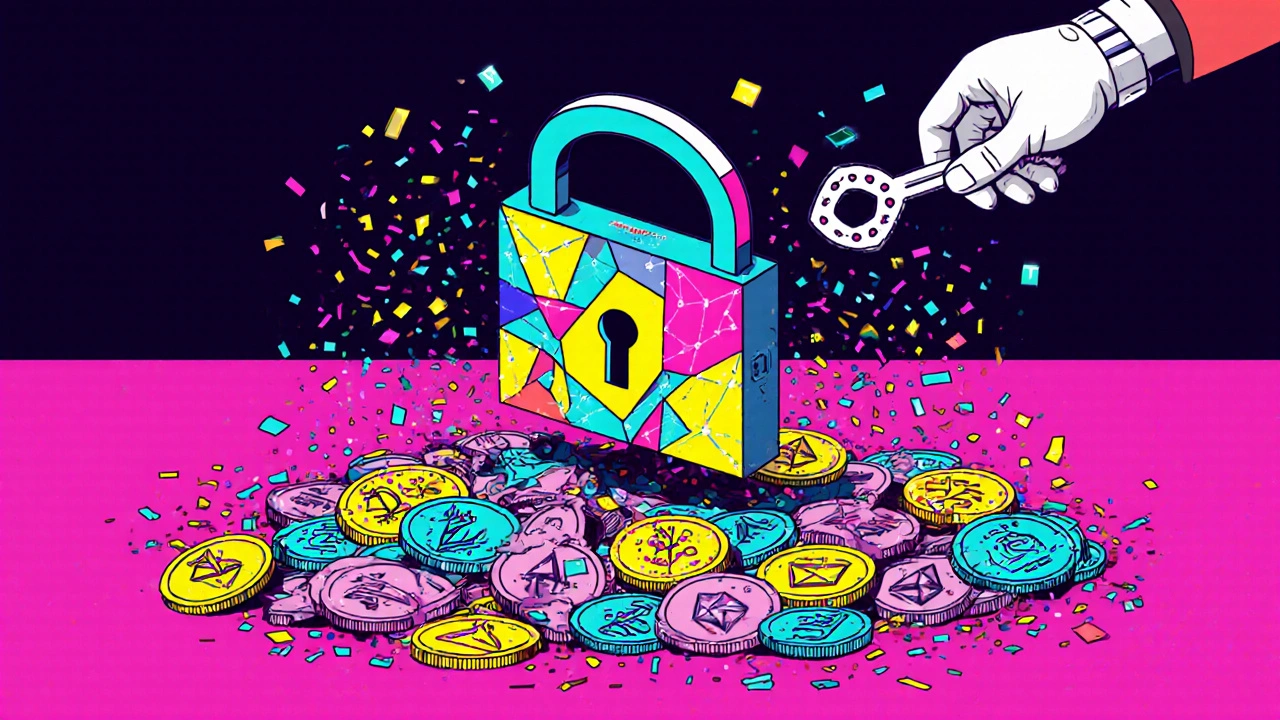
Ethereum Account Abstraction: How ERC-4337 and Smart Wallets Are Changing Crypto Access
ERC-4337 enables smart contract wallets on Ethereum, letting users pay gas in tokens, recover accounts socially, and batch transactions-without needing private keys. Here's how it works and why it matters.
Categories
- Cryptocurrency
- Careers & Education
- Home & Living
- Technology
- Home & Lifestyle
- hire domestic help in Mumbai
- hire drivers in mumbai
- Personal Finance
- hire pet care in mumbai
- Travel & Transportation