
Token Vesting Schedule: What It Is and How It Works in Crypto
When you hear about a new crypto project launching, the token vesting schedule, a timeline that determines when crypto tokens are unlocked and distributed to team members, investors, and early backers. It’s not just paperwork—it’s the backbone of trust in blockchain projects. Without it, founders could sell all their tokens the day after launch, crashing the price and leaving everyone else with nothing. A clear vesting schedule says: "We’re in this for the long haul."
Related to this are crypto vesting, the process of locking tokens over time to align incentives, which often includes vesting periods, specific time frames like 12, 24, or 36 months during which tokens unlock gradually. Most projects use a combination of cliff periods (where nothing unlocks until a set date, like 6 months) and linear unlocks (where a fixed percentage releases each month after that). This keeps teams motivated, stops whales from flooding the market, and gives retail investors confidence. Projects like Solana, Polygon, and even Ethereum’s early teams used vesting to avoid early sell-offs that killed other coins.
Not all vesting is the same. Some tokens unlock all at once after a year. Others release 10% per month for 10 months. Some projects even tie unlocks to performance milestones—like hitting user targets or launching key features. You’ll often see vesting applied to team members, advisors, private investors, and public sale buyers—each group with different rules. Knowing these differences helps you spot risky projects. If a team’s tokens unlock all at once in 3 months? Red flag. If 25% unlocks after 12 months and the rest releases monthly over two more years? That’s a sign they’re building something real.
Why does this matter to you? Because if you’re buying tokens in a public sale or holding a project’s coin, you need to know when big holders might sell. A poorly designed vesting schedule can cause sudden price drops. A well-designed one keeps the market stable and gives you time to plan. You don’t need to be a developer to understand this—you just need to check the project’s documentation before investing.
Below, you’ll find real-world examples and breakdowns of how different crypto projects handle their token releases. Whether you’re looking at a new DeFi launch or analyzing an old project’s tokenomics, these guides will help you read between the lines and spot what’s sustainable—and what’s just a flash in the pan.
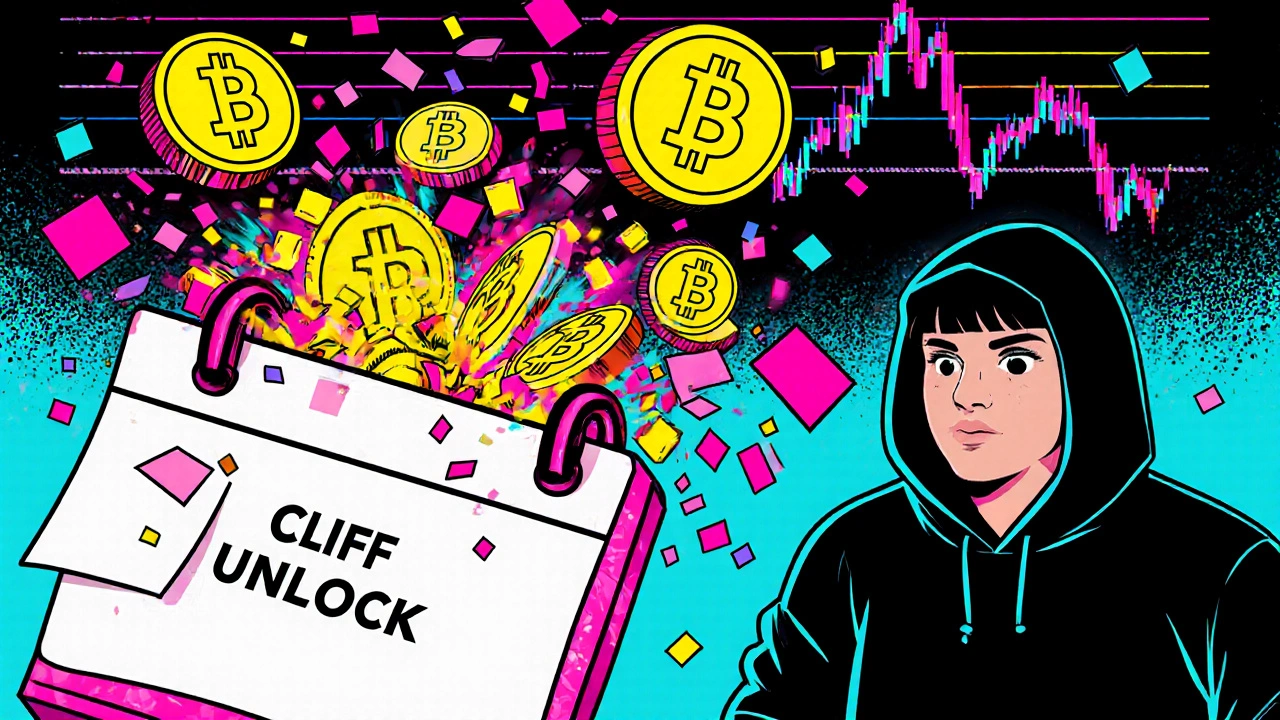
Token Unlock Calendars for Altcoins: How They Move Prices and What to Do About It
Token unlocks can crash altcoin prices if not tracked properly. Learn how unlock size, timing, and recipient type affect market movement-and what to do before, during, and after the event.
Categories
- Cryptocurrency
- Careers & Education
- Home & Living
- Technology
- Home & Lifestyle
- hire domestic help in Mumbai
- hire drivers in mumbai
- hire pet care in mumbai
- Travel & Transportation
- Health & Fitness