
The Future of Work: How DAOs Are Redefining Remote Teams
 Jan, 15 2026
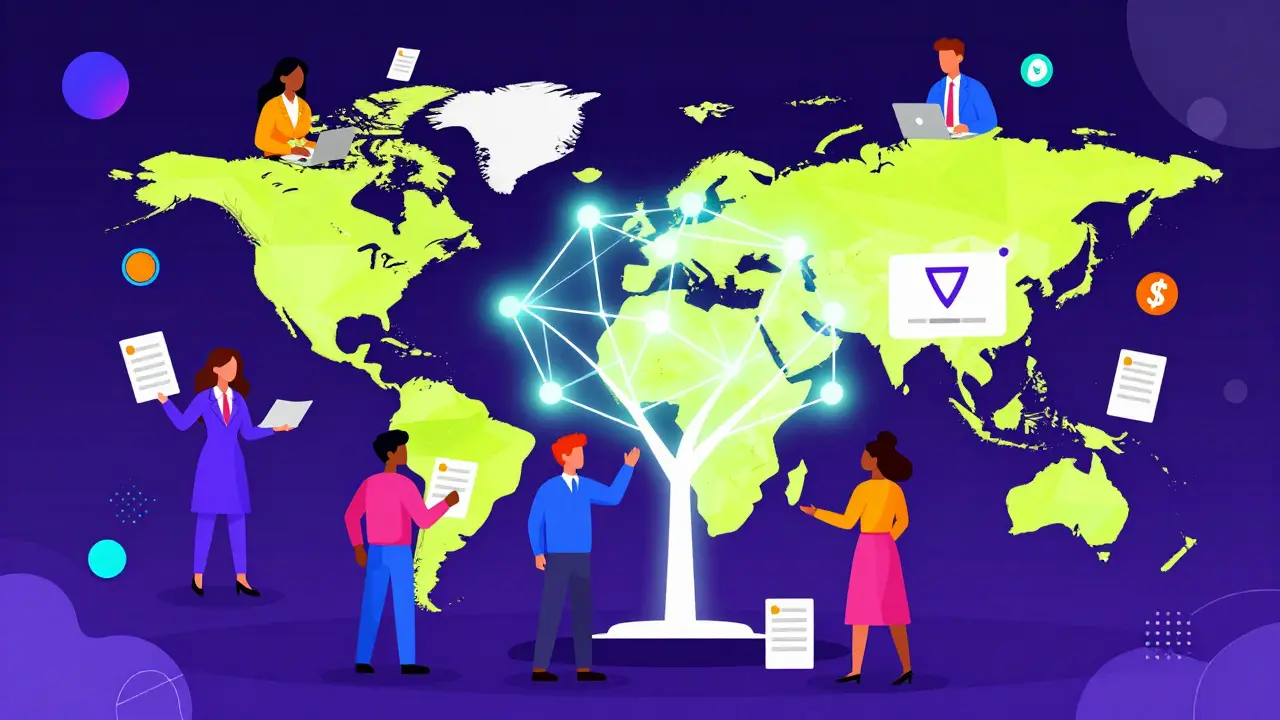
By 2026, if you're still thinking of work as a 9-to-5 job in an office, you're already behind. The real shift isn't just about working from home-it's about DAOs replacing traditional companies as the backbone of global teams. These aren't startups with fancy websites. They're self-running organizations built on code, owned by their members, and governed by votes-not bosses.
What Exactly Is a DAO?
A DAO, or Decentralized Autonomous Organization, is a group of people working together without a CEO, HR department, or corporate hierarchy. Everything runs on blockchain smart contracts. If a proposal gets enough votes, the money gets released. If someone completes a task, they get paid automatically. No managers needed. Think of it like a digital co-op. You don’t apply for a job-you join a community. You earn tokens by contributing: writing code, designing logos, translating documents, moderating Discord, even testing beta features. Your influence in decisions is tied to how many tokens you hold. More contribution? More tokens. More tokens? More say. DAOs like Uniswap, MakerDAO, and Gitcoin don’t just exist on paper. They manage billions in assets, hire hundreds of contributors across 60+ countries, and make real decisions-like how to spend treasury funds or update their protocols-all through on-chain voting.How DAOs Work: No Bosses, Just Rules
Traditional companies rely on managers to approve budgets, assign tasks, and resolve conflicts. DAOs replace that with code. Here’s how it actually works:- You join a DAO by buying or earning governance tokens-usually through contributing work or staking crypto.
- When a proposal comes up-say, spending $50,000 on a new marketing campaign-you vote using your tokens.
- Smart contracts automatically execute the decision if it passes. No middlemen. No delays.
- Every transaction, vote, and contribution is public on the blockchain. You can see exactly where every dollar went.
Why DAOs Are Winning Over Remote Teams
Remote work exploded during the pandemic. But most remote companies still operate like old-school offices-just with Zoom meetings. DAOs take it further. They don’t care where you live. You could be in Manila, Lagos, or Manchester, and still have equal voting power. A contributor in Thailand might earn the same as someone in New York if they deliver the same value. No geography-based pay scales. No bias in promotions. And because everything is transparent, there’s no guesswork. You know:- How much the treasury holds
- Who got paid last week
- Why a decision was made
The Dark Side: When DAOs Go Wrong
It’s not all perfect. DAOs have crashed harder than some startups. In early 2023, MakerDAO faced a 47-day voting deadlock. No one could agree on a treasury allocation. Development stalled. Contributors got frustrated. Payments slowed. The issue? Too many small token holders with conflicting interests and no clear decision-making rules. Another problem: token hoarding. If one person owns 30% of the tokens, they can vote down any proposal they don’t like. That’s not democracy-that’s plutocracy. Some DAOs are now testing “proof-of-humanity” checks to prevent sybil attacks (where one person creates dozens of fake identities to swing votes). And then there’s the legal gray zone. In the U.S., Wyoming recognizes DAOs as legal entities. In the EU, MiCA regulations are still being shaped. In most countries, DAOs have no official status. That means if a DAO gets sued, who pays? Who’s responsible? No clear answers yet.Who’s Actually Working in DAOs Right Now?
Forget “blockchain developer” as the only role. DAOs need writers, designers, community managers, legal advisors, marketers, translators, and even podcasters. Spotify launched a small DAO in March 2023 to collaborate with independent artists. No corporate contracts. Artists submit tracks, get voted on by the community, and if selected, they earn tokens and a share of streaming revenue. It’s a new model for creative work. Blockchain Staffing Ninja found that by Q4 2023, 52% of new blockchain job postings were for DAO-specific roles-not just coding. Positions like “Governance Coordinator,” “DAO Community Lead,” and “Token Economics Analyst” are now common. And the pay? It varies. Some DAOs pay in stablecoins like USDC. Others pay in their native tokens, which can be volatile. But many offer “X-to-earn” models-you earn tokens not just for working, but for learning, referring others, or even participating in Discord discussions.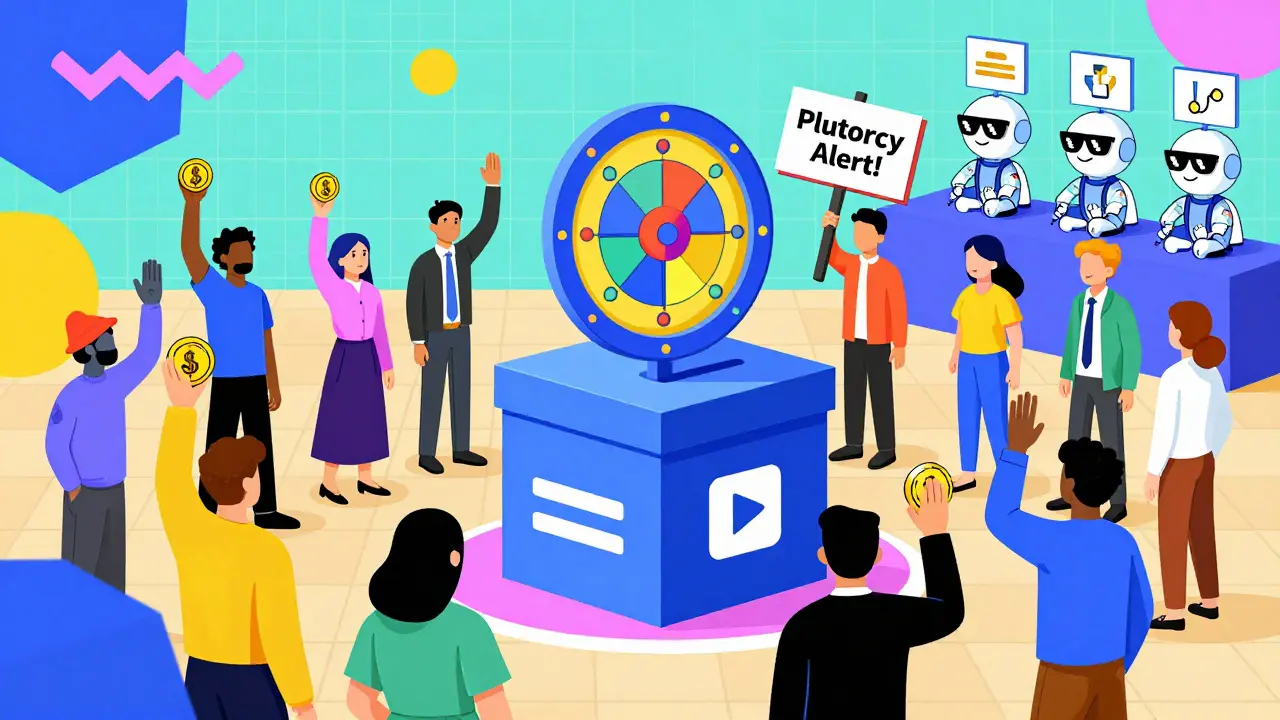
How to Get Started in a DAO
You don’t need to be a crypto expert to join. Here’s how real people start:- Find a DAO that matches your skills. Try DAOhaus, Colony, or Aragon. Look for ones with active Discord servers and clear contribution guides.
- Start small. Take on a bounty-maybe fix a typo in their docs, translate a post, or design a social media graphic. Most DAOs have “bounty boards” listing small paid tasks.
- Earn your first tokens. Once you complete a few tasks, you’ll get rewarded. These tokens give you voting rights.
- Participate in governance. Read proposals. Vote. Ask questions. Don’t wait to be asked.
- Build your reputation. The more you contribute, the more trust you earn. Over time, you’ll be invited to lead projects.
The Big Picture: What DAOs Mean for the Future
Gartner predicts that by 2027, 25% of digital businesses will operate like DAOs. That’s not a stretch. Companies are already testing hybrid models: traditional corporations running DAOs as side projects for innovation. The real win? People are tired of being cogs in a machine. They want ownership. They want transparency. They want to be part of something they believe in. DAOs don’t fix every problem. They’re messy, slow at times, and legally uncertain. But they’re the first system where work isn’t owned by shareholders-it’s owned by the people doing it. By 2026, if you’re not exploring DAOs, you’re not just missing out on jobs. You’re missing the next evolution of how humans choose to work together.Frequently Asked Questions
Can anyone join a DAO, or do you need crypto experience?
Yes, anyone can join-even with no crypto background. Most DAOs have beginner-friendly roles like content writing, translation, community moderation, or design. You earn tokens by completing small tasks, and you can learn as you go. Many new members start by joining Discord servers and asking questions.
Are DAO jobs paid in real money?
Some pay in stablecoins like USDC or DAI, which are pegged to the U.S. dollar. Others pay in their own tokens, which can rise or fall in value. Many offer hybrid models: part salary in stablecoin, part bonus in tokens. You’re not guaranteed a paycheck like a traditional job, but top contributors often earn more than they would elsewhere.
What’s the difference between a DAO and a regular remote company?
A remote company still has managers, HR, and a CEO who makes final calls. A DAO has no hierarchy. Decisions are made by vote, and payouts are automated through smart contracts. Everything is public on the blockchain. In a DAO, you’re a co-owner-not an employee.
Are DAOs legal?
It depends on where you live. Wyoming (U.S.) and Portugal recognize DAOs as legal entities. The EU is working on rules under MiCA. In most countries, DAOs exist in a gray area. You can join and work in them, but if legal trouble arises, there’s no clear answer on who’s liable. That’s changing fast-expect more legal clarity by 2027.
How do you avoid being taken advantage of in a DAO?
Stick to DAOs with clear rules, public treasuries, and active governance. Avoid ones where leaders control everything behind closed doors. Look for projects with documentation on GitHub, regular voting logs, and a track record of paying contributors. Start with small tasks before committing time or money. If something feels shady, walk away.