
Decentralized Applications: What They Are and How They're Changing Finance, Loyalty, and Crypto
When you hear decentralized applications, software that runs on blockchain networks instead of centralized servers. Also known as dApps, they let users interact directly without relying on banks, apps, or companies to hold their data or money. Unlike regular apps that need Apple, Google, or Facebook to run, dApps work on open networks like Ethereum or Solana. This means no single company controls them—and no one can shut them down just because they don’t like how you’re using them.
Most smart contracts, self-executing code on blockchains that automatically follow rules power these apps. Think of them like digital agreements that run on their own. For example, a utility token, a digital asset that gives access to a service or product on a blockchain might let you pay for cloud storage, vote on platform changes, or earn rewards—without needing a credit card or middleman. That’s the same tech behind tokenized loyalty programs, where your points become real digital assets you own, not just store credits.
These apps aren’t just for crypto traders. They’re changing how people handle money, rewards, and even property. Some let you switch mutual fund schemes without triggering taxes by using blockchain-based ledgers to track ownership. Others help you avoid volatility in crypto trading by locking funds into stablecoin pairs like USDT or USDC. Even retirement plans like NPS in India are starting to explore blockchain for transparent, tamper-proof records. And when you hear about Ethereum’s account abstraction or ERC-4337, that’s just another layer of dApp innovation—making wallets easier to use, letting you pay gas fees in any token, and letting you recover your account with a friend’s help instead of a private key.
But not all dApps are created equal. Some are just flashy websites pretending to be blockchain-based. Real ones give you control—over your data, your money, your votes. You don’t need to trust a company. You trust the code. And when that code is open, audited, and running on a public network, it’s harder to cheat.
Below, you’ll find real-world examples of how decentralized applications are being used right now—in crypto trading, tax strategies, loyalty programs, and even property investments. No theory. No hype. Just what’s actually working.
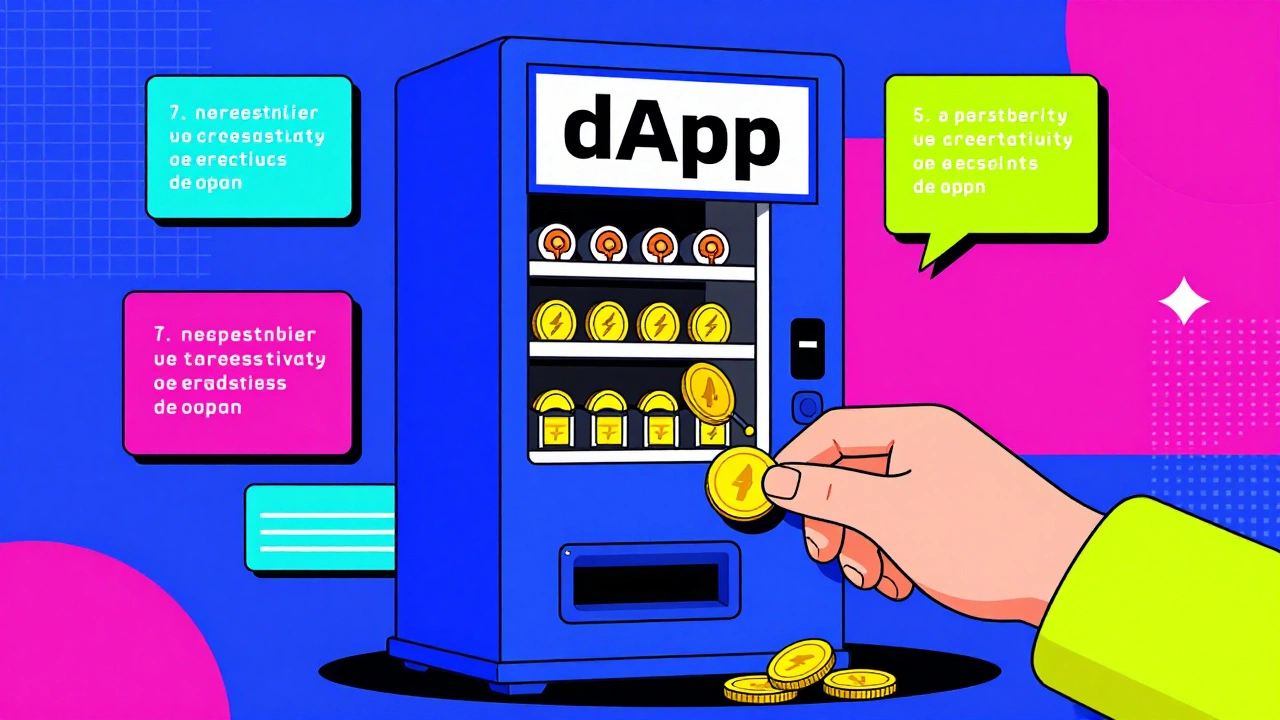
What Are Decentralized Applications (dApps) on Ethereum? A Clear Guide
dApps on Ethereum run on blockchain instead of central servers, offering transparency, censorship resistance, and trustless interactions. Learn how they work, where they're used, and why they're changing finance and digital ownership.
Categories
- Cryptocurrency
- Careers & Education
- Home & Living
- Technology
- Home & Lifestyle
- hire domestic help in Mumbai
- hire drivers in mumbai
- hire pet care in mumbai
- Personal Finance
- Travel & Transportation