
Ethereum Blockchain: Smart Contracts, Tokens, and How It Powers Crypto Today
When you hear Ethereum blockchain, a decentralized platform that runs smart contracts and powers digital assets like tokens and NFTs. Also known as Ethereum network, it's not just Bitcoin’s bigger cousin—it’s the operating system for the next generation of apps, money, and ownership. Unlike Bitcoin, which mostly moves value, Ethereum lets you run code on the network. That code? Smart contracts. They’re self-executing agreements that trigger actions when conditions are met—like sending rent automatically, locking up funds until a delivery is confirmed, or distributing tokens to investors.
Behind Ethereum’s power are smart contracts, automated programs that run without intermediaries on the blockchain. These aren’t theoretical—they’re used every day to manage DeFi loans, trade NFTs, and even run decentralized organizations. Then there are utility tokens, digital assets that give you access to a service or product on a platform, like paying for cloud storage on a decentralized network. And governance tokens, tokens that let holders vote on changes to a protocol, are what make communities truly decentralized. You don’t need to be a coder to benefit—your wallet might hold one, and you might already be using a service powered by it.
Recent upgrades like ERC-4337 are making Ethereum easier to use. This standard lets you pay gas fees in any token, recover your wallet with a friend’s help instead of a seed phrase, and combine multiple transactions into one. It’s removing the friction that scared off millions of people from crypto. And with tokens unlocking, governance votes happening, and new wallets launching every week, Ethereum isn’t standing still—it’s evolving fast.
What you’ll find below are real, practical guides on how this all affects you. From how account abstraction changes your crypto experience to why token unlocks crash prices and how governance votes shape the future of DeFi—these aren’t theory pieces. They’re the tools, rules, and strategies people are using right now to navigate Ethereum’s world. Whether you’re holding a token, trading on a DEX, or just trying to understand why your wallet acts the way it does, the answers are here.
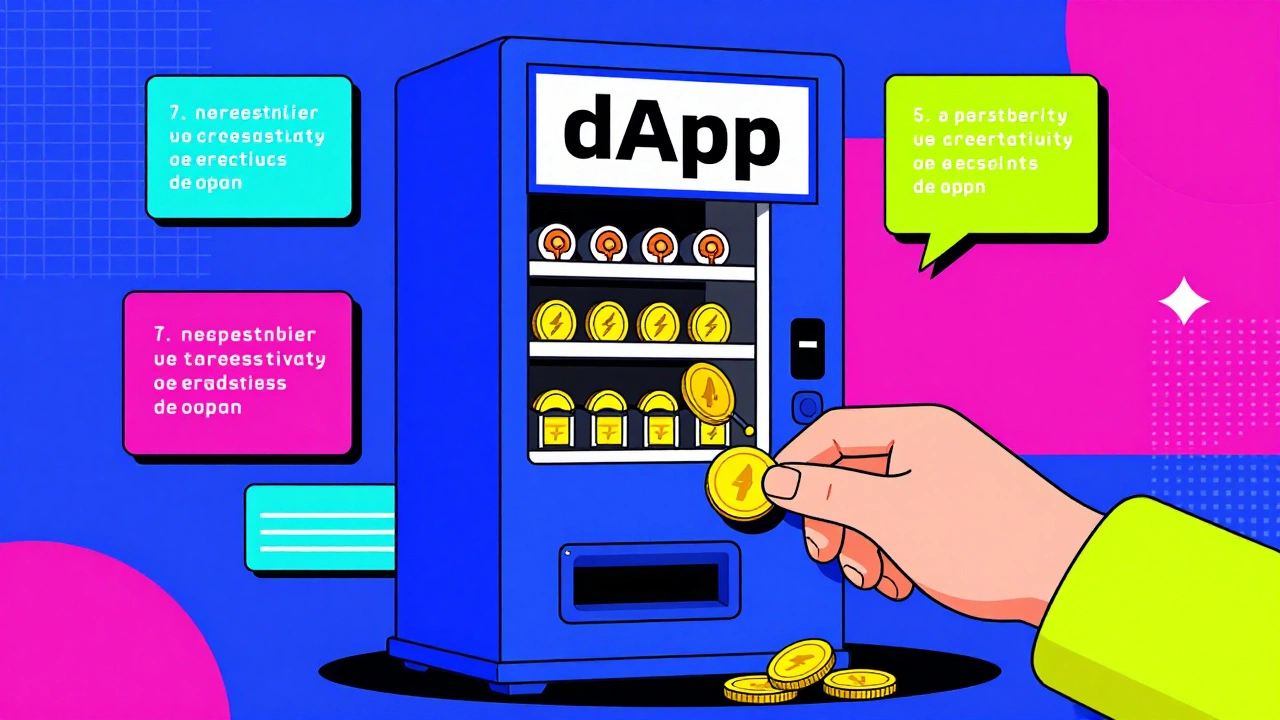
What Are Decentralized Applications (dApps) on Ethereum? A Clear Guide
dApps on Ethereum run on blockchain instead of central servers, offering transparency, censorship resistance, and trustless interactions. Learn how they work, where they're used, and why they're changing finance and digital ownership.
Categories
- Cryptocurrency
- Careers & Education
- Home & Living
- Technology
- Home & Lifestyle
- hire domestic help in Mumbai
- hire drivers in mumbai
- hire pet care in mumbai
- Personal Finance
- Travel & Transportation