
Retirement Savings India: How to Plan, Where to Start, and What Really Works
When it comes to retirement savings India, the system of personal and government-backed financial plans Indians use to secure income after work. Also known as pension planning India, it’s not about waiting until you’re 50 to think about it—it’s about starting now so you don’t end up relying on your kids or running out of money. Unlike countries with strong public pensions, India’s system puts the burden on you. The government offers tools like the EPF, the Employees’ Provident Fund, a mandatory savings scheme for salaried workers where both employer and employee contribute monthly, and the NPS, the National Pension System, a flexible, market-linked retirement account open to anyone, including freelancers and self-employed. But knowing these exist isn’t enough. You need to know how much to save, where to invest, and how to avoid common mistakes that leave people stranded.
Most people think retirement is 20+ years away, so they ignore it. Then, at 55, they realize their EPF balance won’t cover rent, medicine, and groceries for 15 years. The truth? If you’re earning ₹50,000 a month today, you’ll need at least ₹1.2 crore by 60 just to keep up with inflation—assuming you don’t want to cut back on anything. That’s not a dream. That’s math. And it’s not about getting rich—it’s about being safe. The best retirement plans in India mix EPF for stability, NPS for growth, and mutual funds for extra returns. You don’t need to be an expert. You just need to start small, stay consistent, and avoid chasing get-rich-quick schemes. People who invest ₹5,000 a month in NPS and EPF from age 30 end up with more than those who invest ₹15,000 a month starting at 45. Time beats effort every time.
There’s no single right way, but there are plenty of wrong ones. Putting all your money in gold? Too risky. Relying only on fixed deposits? You’ll lose to inflation. Thinking your house will fund your retirement? What if you need to move or your kids want to sell? The real answer lies in disciplined, diversified saving. You don’t need to understand derivatives or stock charts. You just need to know how much to set aside each month, which accounts to use, and how to keep going even when life gets busy. Below, you’ll find real breakdowns of what people in Mumbai, Delhi, and smaller cities are actually doing—how much they save, where they invest, and what surprised them most along the way.
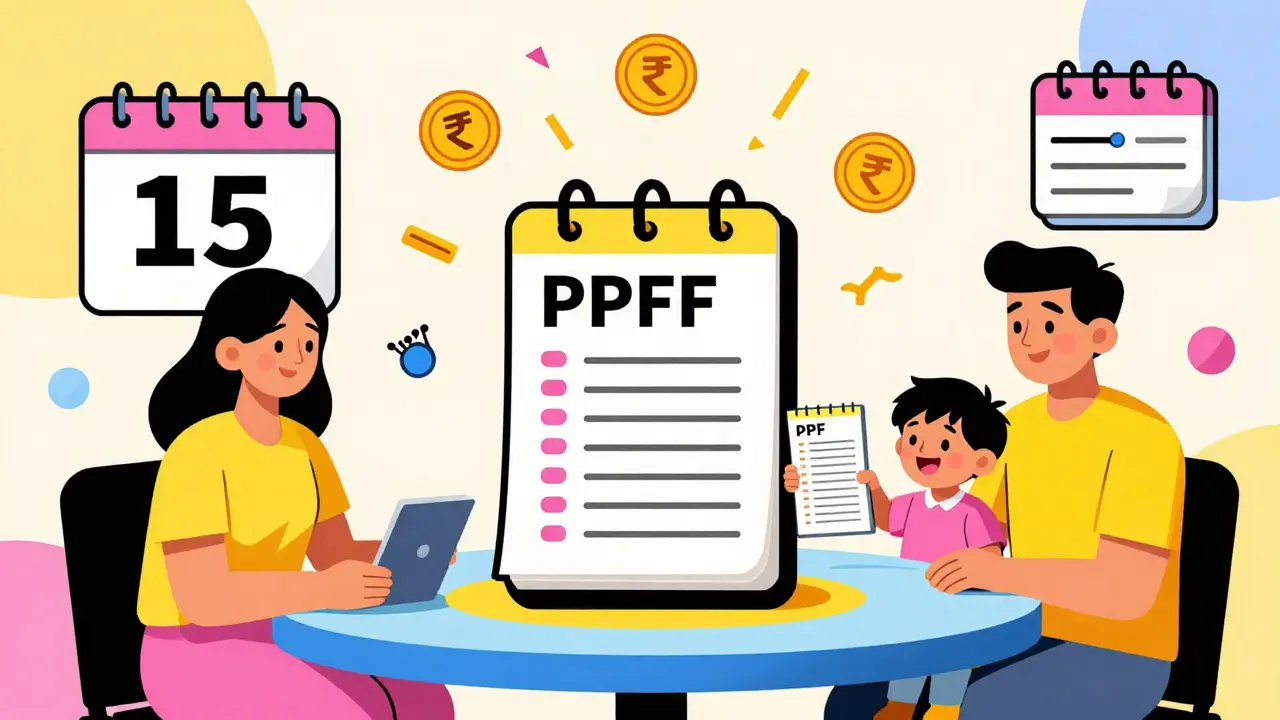
Public Provident Fund (PPF) in India: Complete Guide to the 15-Year Savings Scheme
The Public Provident Fund (PPF) is India's most trusted long-term savings scheme, offering tax-free returns, guaranteed interest, and a 15-year lock-in for secure retirement planning. Learn how it works, how to maximize it, and why it beats other options.

Retirement Planning for Women in India: Unique Considerations and Strategies
Retirement planning for women in India requires unique strategies due to longer lifespans, lower income, and limited access to assets. Learn how to use government schemes, build savings, and secure financial independence.

PPF vs EPF for Retirement in India: Which Gives Better Returns, Safety, and Access?
Compare PPF and EPF for retirement in India-returns, risk, and access. Learn which one suits you better and how to use both for maximum tax-free growth.
Categories
- Cryptocurrency
- Careers & Education
- Home & Living
- Technology
- Home & Lifestyle
- hire domestic help in Mumbai
- hire drivers in mumbai
- Personal Finance
- hire pet care in mumbai
- Travel & Transportation