
Smart Contracts Explained: How They Work and Where They're Used
When you hear smart contracts, self-executing agreements coded directly onto a blockchain that run without intermediaries. Also known as blockchain contracts, they automatically trigger actions when conditions are met—like sending money, unlocking access, or updating records. No lawyer, no paperwork, no waiting. Just code doing what it’s told.
These aren’t just for crypto traders. Ethereum, the most popular blockchain for running smart contracts made them mainstream. Platforms like decentralized applications, apps that run on blockchain instead of company servers use smart contracts to handle everything from lending money to buying virtual land. You don’t need to trust a person—you trust the code. And that code runs exactly the same way every time, no exceptions.
Smart contracts rely on blockchain, a digital ledger that records transactions across many computers so no single entity controls it to stay secure and tamper-proof. Once a contract is deployed, it can’t be changed unless it was built to allow updates. That’s why getting the code right the first time matters. A glitch in the code? That’s not a bug—it’s a lost payment, a broken deal, or worse.
You’ll find smart contracts doing real work in places you might not expect. In real estate, they can transfer ownership the moment payment clears. In insurance, they can pay out automatically after a flight delay is confirmed by a trusted data feed. In gaming, they let you truly own your digital items instead of just renting them from a company. Even loyalty programs now use them to turn points into tokens you can trade or sell.
But they’re not magic. They need reliable data to work. If the price feed says Bitcoin is $50,000 when it’s really $30,000, the contract will act on the wrong info. That’s why many use trusted third-party services called oracles to bring real-world data onto the blockchain. And while they cut out middlemen, they don’t cut out complexity. Writing one wrong line of code can cost thousands—or more.
The posts below show you how smart contracts show up in real life: from how they’re used in crypto trading to how they’re changing how people manage assets, rewards, and even property rights. You’ll see what’s actually possible today—not just theory, but what people are doing with them right now. Whether you’re curious about automation, crypto, or just how tech is changing everyday deals, these examples give you a clear look at what’s happening—and what’s coming next.

Cardano (ADA): Building a Sustainable Blockchain Explained
Explore how Cardano builds a sustainable blockchain using the Ouroboros protocol. Learn about ADA utility, layered architecture, and eco-friendly consensus mechanisms.

Stablecoin Security: Smart Contracts, Bridges, and Key Management in 2026
Explore stablecoin security in 2026, covering smart contract risks, cross-chain bridge vulnerabilities, and key management standards under new global regulations like MiCA and SEC frameworks.

State Machines and Smart Contracts: How Blockchain Platforms Execute Crypto Logic at Scale
State machines are the invisible engine behind every blockchain transaction. They ensure smart contracts execute reliably, securely, and at scale - without intermediaries. Learn how EVM, WASM, and Merkle roots make crypto logic trustless and verifiable.
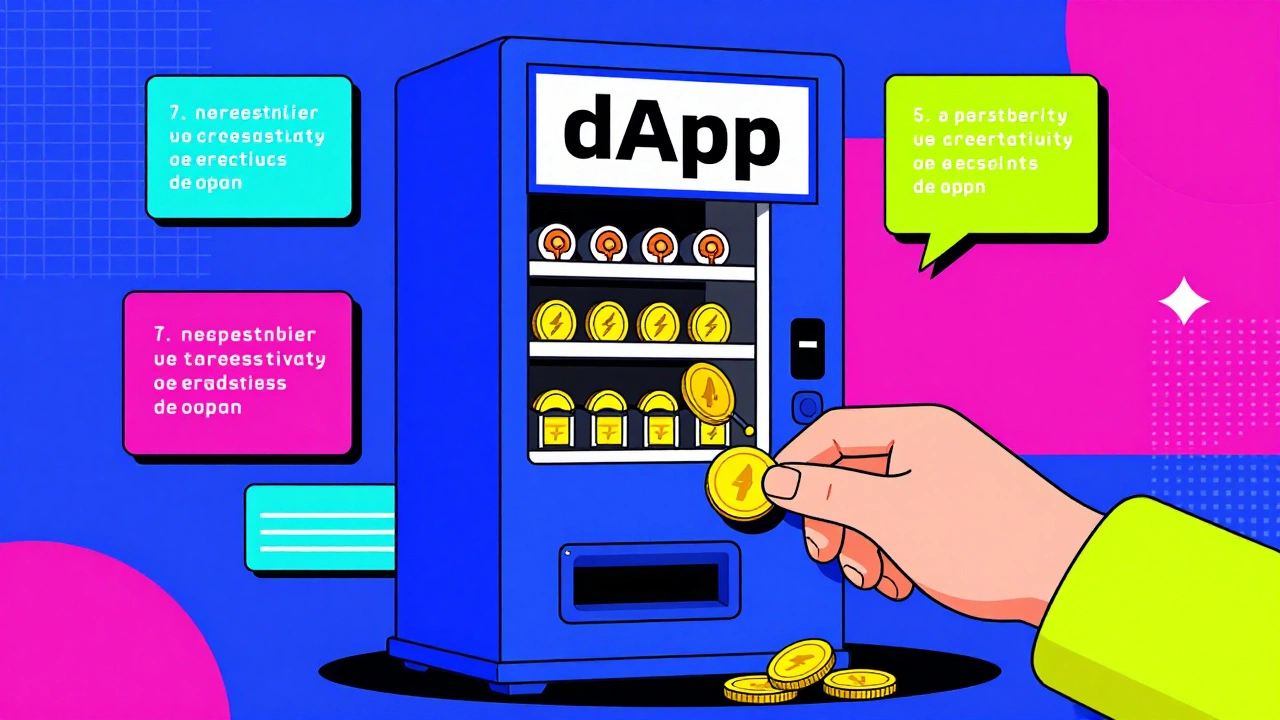
What Are Decentralized Applications (dApps) on Ethereum? A Clear Guide
dApps on Ethereum run on blockchain instead of central servers, offering transparency, censorship resistance, and trustless interactions. Learn how they work, where they're used, and why they're changing finance and digital ownership.
Categories
- Cryptocurrency
- Careers & Education
- Home & Living
- Technology
- Home & Lifestyle
- hire domestic help in Mumbai
- hire drivers in mumbai
- hire pet care in mumbai
- Personal Finance
- Travel & Transportation