
Indian Stock Market: Hours, Taxes, Trading Rules, and How to Start
When you think about the Indian stock market, the system where shares of Indian companies are bought and sold on exchanges like NSE and BSE. Also known as equity market, it's not just about watching numbers rise and fall—it's about understanding when to trade, what you’re really paying in taxes, and how to use tools like F&O trading, futures and options contracts that let you bet on price movements without owning the stock wisely.
The stock market hours India, the exact times NSE and BSE are open for trading, including pre-market and closing sessions matter more than most beginners realize. Trading during the last hour before close often sees the biggest moves, while lunchtime can be dead. If you’re new, trying to trade outside these windows is like driving in fog—you won’t see the road ahead. Then there’s the hidden cost: STT India, Securities Transaction Tax, a fee charged on every equity trade that adds up fast even on small transactions. Many investors don’t realize they’re paying STT, stamp duty, and capital gains tax on every buy and sell—and these aren’t optional. They’re built into the price.
And if you’re investing for the long term, you’re probably using Section 80C, a tax-saving rule that lets you reduce your taxable income by up to ₹1.5 lakh through eligible investments like PPF, ELSS, or home loan principal. But here’s the catch: not all stock investments qualify. ELSS mutual funds do, but direct equity does not. That’s why knowing the difference between trading and investing isn’t just smart—it’s financial survival. The Indian stock market isn’t a casino. It’s a system with rules, timing, and tax consequences that stack up whether you notice them or not.
Below, you’ll find real, no-fluff guides written for people who actually use the market—not just watch it. Whether you’re trying to figure out why your trades cost more than expected, how to start with F&O without losing money, or how to use tax-saving tools the right way, the posts here cut through the noise. No theory. No hype. Just what you need to know before you click buy or sell.

Indian Stock Market Indices Explained: SENSEX, NIFTY 50, NIFTY Bank, and More
Learn what SENSEX, NIFTY 50, and NIFTY Bank really mean - and how they help you understand the Indian stock market without needing a finance degree. These indices track the biggest companies and reveal where money is flowing.
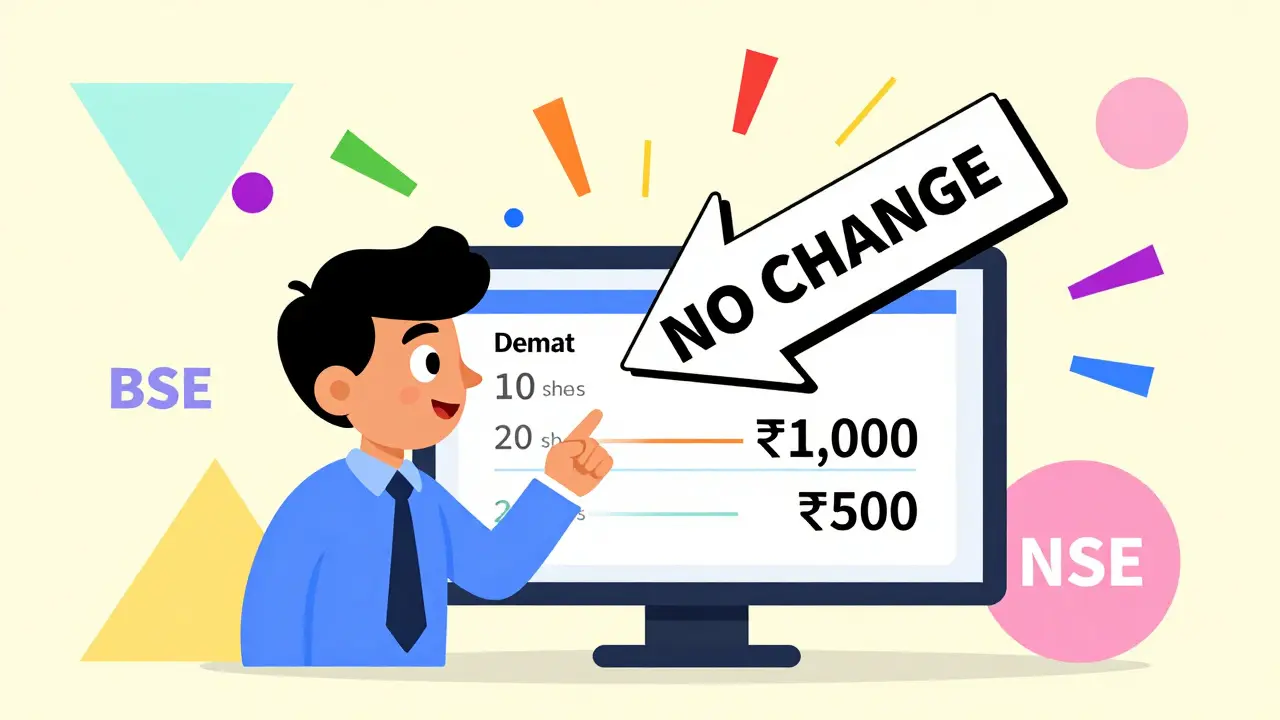
Stock Splits and Bonus Shares in the Indian Market: What Investors Should Know
Understand how stock splits and bonus shares work in the Indian market. Learn why they don’t increase your wealth, how to spot them, and what to do when they happen - without falling for common myths.

How to Start Investing in the Indian Stock Market: A Complete Beginner’s Guide
Learn how to start investing in the Indian stock market with zero experience. Open a Demat account, choose low-cost ETFs, avoid common mistakes, and build wealth slowly with SIPs. A simple guide for beginners.

How to Read Stock Charts: Technical Analysis Basics for Indian Investors
Learn how to read stock charts using technical analysis basics tailored for Indian investors. Understand candlesticks, support/resistance, volume, and patterns that actually work in Indian markets.

Market Capitalization in India: Large-Cap, Mid-Cap, and Small-Cap Stocks Explained
Understand how market capitalization works in India's stock market with clear breakdowns of large-cap, mid-cap, and small-cap stocks. Learn how to build a balanced portfolio based on risk and growth goals.
Categories
- Cryptocurrency
- Careers & Education
- Home & Living
- Technology
- Home & Lifestyle
- hire domestic help in Mumbai
- hire drivers in mumbai
- Personal Finance
- hire pet care in mumbai
- Travel & Transportation